

Built for hockey players in Edmonton who are dealing with pain, reduced mobility, or recovery after injury, this focused physiotherapy approach addresses the physical demands of skating, shooting, checking, and rapid direction changes. The goal is to reduce pain, restore performance, and support safe return to play through structured rehab and sport-specific care, with guidance that fits competitive and recreational athletes alike. Book an assessment to see how targeted physiotherapy can support your season and long-term health.

Care begins with a detailed assessment of injury history, skating demands, strength, mobility, and movement patterns. Treatment may include manual therapy for joint and soft tissue restrictions, targeted exercise therapy to restore strength and control, and progressive loading tailored to hockey positions and levels. Objective reassessment guides progression, and return-to-play decisions are based on functional criteria rather than timelines alone.
Ice hockey places unique stresses on the body due to repeated high-speed skating, contact, and asymmetrical movement patterns. Without targeted care, these stresses can lead to persistent pain, compensation, and declining performance, especially during long seasons or after injury.
Powerful stride push-offs and sustained hip flexion load the hips, groin, and lower back. Over time, this can contribute to hip impingement symptoms, adductor strains, and lumbar stiffness when strength and mobility are not balanced.
Body checks, falls, and collisions with the boards commonly cause shoulder separations, rib contusions, knee sprains, and neck injuries. Returning to play without proper rehabilitation increases the risk of re-injury or chronic instability.
Following injury or time away from the ice, athletes often lose neuromuscular control, strength, and skating efficiency. This can show up as slower acceleration, poor balance, or recurring soreness during games.
Generic exercise programs may not address the rotational forces, single-leg demands, and postural stress of hockey. Without ice-specific rehab, minor issues can evolve into long-term hip, groin, or knee pain.
Working with a clinician experienced in hockey-related injuries supports measurable improvements in pain reduction, joint mobility, strength, and confidence on the ice. Athletes often notice smoother skating mechanics, improved tolerance to game intensity, and a clearer plan for safe progression back to full participation.
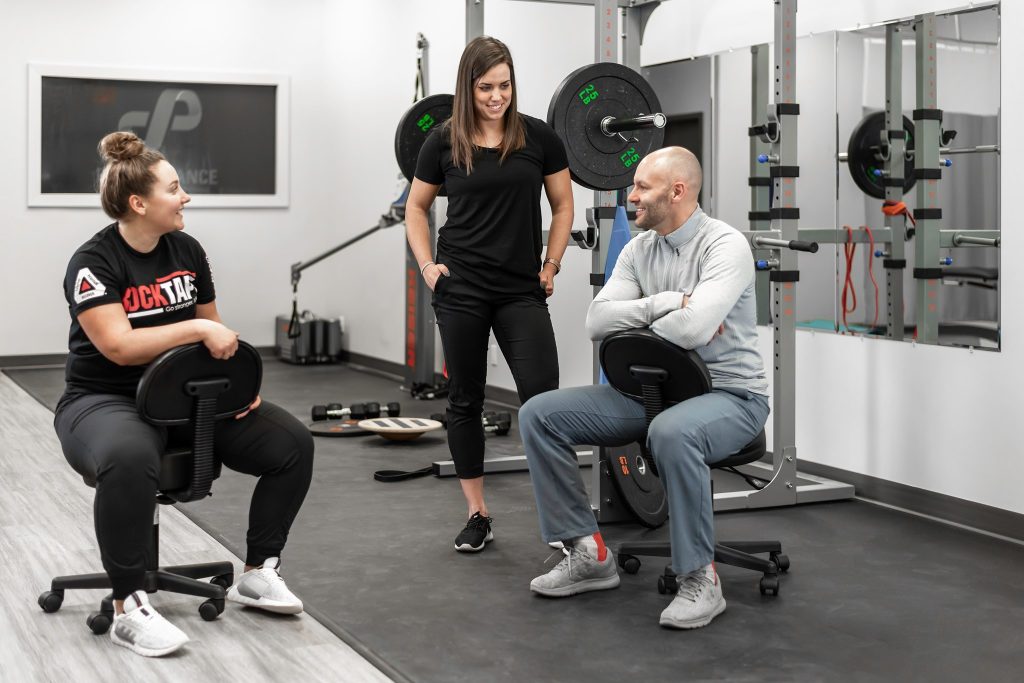
No referral is required to book physiotherapy. Many athletes choose to start care early to manage pain, confirm a diagnosis, and prevent minor issues from becoming more serious.
Timelines depend on the type and severity of injury, position played, and training schedule. Some issues improve in a few sessions, while post-surgical or complex injuries may require several months of structured rehabilitation.
Yes, treatment can be adapted to in-season athletes. Load management, recovery strategies, and modified exercises are used to support performance while reducing the risk of aggravation.
Athletes often ask about cost, scheduling, and what to expect at the first visit. Fees typically reflect assessment time and treatment complexity, appointments are scheduled around training demands when possible, and initial visits focus on understanding your injury, goals, and season timeline so care aligns with your level of play.