

Targeted rehabilitation for Edmonton athletes who train and compete with kettlebells, focused on resolving pain, restoring efficient movement, and getting you back to lifting with confidence through a structured, sport-specific approach; book an assessment to start progressing again.
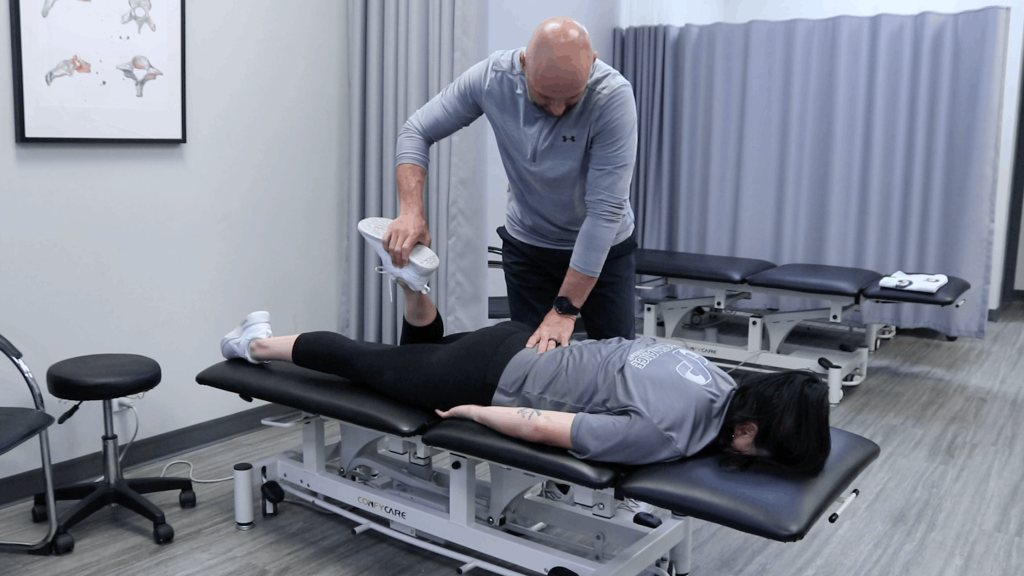
Care begins with a detailed history and movement assessment focused on kettlebell-specific tasks such as the snatch, clean, and jerk, followed by targeted manual therapy, progressive loading exercises, and motor control retraining guided by pain science and tissue-healing principles, with objective reassessments used to safely advance intensity and volume.
High-repetition ballistic lifting places unique demands on the shoulders, spine, hips, and grip, and when training volume, technique, or recovery falls out of balance, overuse injuries and persistent pain can develop that require more than rest or generic therapy.
Long sets of snatches and jerks challenge shoulder stability and thoracic mobility, and without adequate rotator cuff control or scapular mechanics, athletes may develop tendinopathy or impingement that worsens if technique faults are not addressed.
Thousands of repetitions of swings and cleans demand precise hip hinge timing, and fatigue-related breakdowns can overload lumbar discs and facet joints, increasing the risk of chronic low back pain when training continues without correction.
Extended time under tension taxes the flexor tendons and neural tissues of the forearm, often leading to medial elbow pain or nerve irritation that progresses gradually and is easy to ignore until it limits performance.
Because kettlebell sport rewards endurance and mental toughness, athletes may push through early symptoms, which can convert a manageable tissue irritation into a longer-term injury requiring more extensive rehabilitation.
Working with a qualified provider allows athletes to reduce pain, restore joint capacity, and improve movement efficiency while maintaining conditioning, leading to safer return to competition and more sustainable training volumes over time.
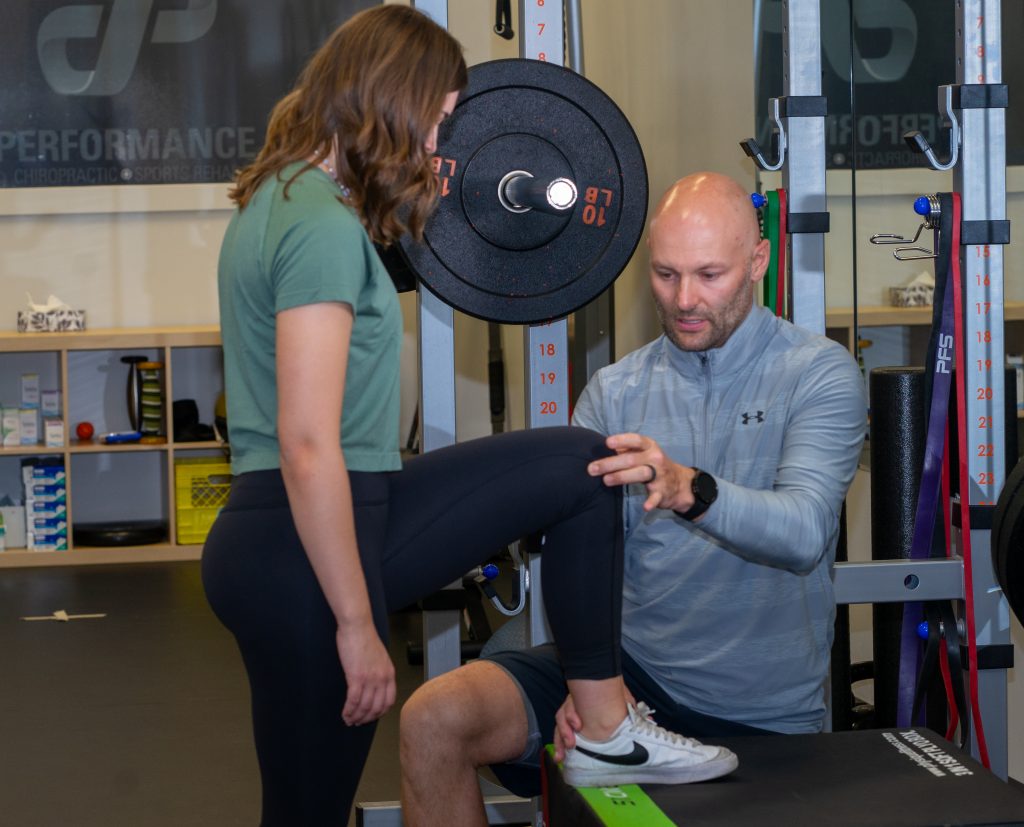
Timelines vary based on tissue involved, training history, and adherence, but many athletes notice meaningful pain reduction within a few sessions, with full return to heavy or competitive lifting often occurring over several weeks of progressive loading.
In most cases, complete rest is not required; training is modified to reduce aggravating loads while maintaining technique practice and general conditioning to support both physical and psychological readiness.
Yes, this approach integrates an understanding of kettlebell sport mechanics, competition demands, and volume management, allowing rehab exercises and progressions to directly translate back to your lifting practice.
Athletes often ask about cost, scheduling, and prerequisites, and while fees depend on assessment and treatment needs, no referral is typically required, sessions are scheduled around training demands, and clear guidance is provided on what to expect so you can make an informed decision about your care.