

Designed for runners in Edmonton who are training through pain or recovering from a setback, this service focuses on resolving running-related injuries without derailing your marathon goals. Care targets the underlying mechanical, load-management and tissue-healing factors that cause pain during high-mileage training, helping athletes return to consistent running with confidence and control. If you want a structured, evidence-based approach instead of resting and hoping for the best, this rehab pathway provides clear next steps and professional guidance.

Care begins with a detailed history of training volume, intensity, footwear and race goals, followed by movement assessment and tissue testing relevant to running. Treatment may include manual therapy to reduce pain and restore motion, progressive strength and capacity exercises, gait or technique guidance, and education on pacing and recovery. Load is reintroduced using objective measures such as pain response, volume tracking and functional tests, ensuring progression respects tissue-healing timelines and current training demands.
Distance running places repetitive stress on joints, tendons and muscles, and injuries often develop when training load exceeds the body’s capacity to adapt. In marathon preparation, mileage increases, long runs and speed sessions amplify forces through the hips, knees, ankles and feet, making small biomechanical issues or recovery gaps more consequential over time.
Injury risk rises when weekly mileage, intensity or elevation changes increase faster than tissues can adapt. Tendons and bone respond more slowly to load than cardiovascular fitness, so runners may feel fit while connective tissues are overloaded, leading to issues such as Achilles pain, plantar fascia irritation or stress reactions.
Subtle movement patterns like excessive hip drop, limited ankle mobility or reduced glute strength can shift load repeatedly onto the same tissues. Over thousands of steps, these inefficiencies contribute to common marathon injuries including IT band pain, patellofemoral pain and hamstring strains.
Sleep disruption, insufficient nutrition or back-to-back hard sessions limit tissue repair. Without adequate recovery, inflammation accumulates and minor soreness can progress into persistent pain that alters running form and further increases injury risk.
Ignoring pain to maintain training momentum can delay healing and lead to compensatory injuries elsewhere. For marathon runners, this often results in multiple problem areas or a flare-up during peak training or the taper, threatening race participation.
Working with a qualified provider allows runners to address pain while maintaining as much fitness as safely possible. Outcomes typically include reduced symptoms during and after runs, improved load tolerance, clearer training boundaries, and a plan that aligns rehab progress with marathon timelines rather than stopping activity altogether.
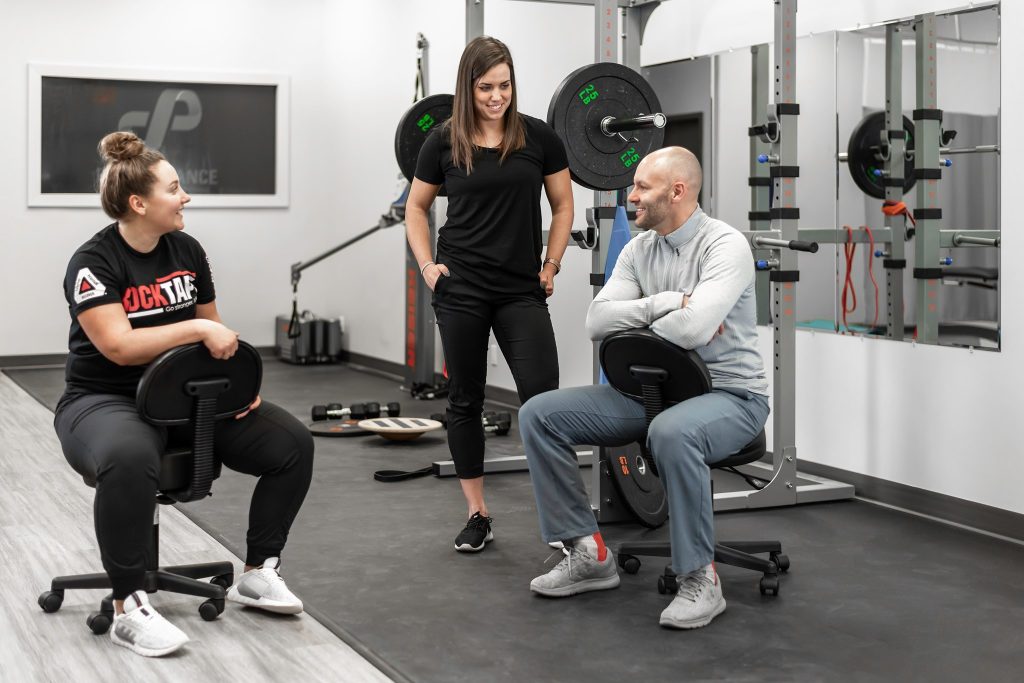
In many cases, yes. Rather than complete rest, running volume and intensity are adjusted to stay within tolerable limits while tissues recover. Decisions are based on symptom behaviour, injury type and upcoming race dates.
Timelines vary depending on the tissue involved, how long symptoms have been present and current training load. Some issues improve within weeks, while others require a longer, phased approach that aligns with marathon preparation cycles.
Most running injuries can be assessed clinically without imaging. Scans are typically reserved for cases with red flags or when symptoms fail to improve as expected, and decisions are made collaboratively based on findings.
Runners often wonder about cost, visit frequency and whether rehab will interfere with training plans. Care is tailored to the stage of your marathon build, with visits spaced to support progress rather than dependency. The focus is on giving you clear guidance, practical exercises and informed decisions so you can train with less pain and greater confidence.