

High-impact riding places unique demands on the body, and when crashes or overuse occur, athletes in Edmonton need focused care that restores function without unnecessary downtime. This service addresses acute pain, lingering injuries, and performance-limiting movement issues through coordinated chiropractic and physiotherapy care designed for riders who want to get back on the bike with confidence. If your training or race season has been disrupted, a structured recovery plan can help you move forward.

Care begins with a detailed assessment of injury history, riding demands, movement quality, and pain triggers, followed by a tailored plan that may include manual therapy, joint mobilization, soft tissue techniques, therapeutic exercise, and progressive loading. Objective reassessments guide progression, and education on bike ergonomics, recovery strategies, and workload management helps align treatment with current best practices in sports rehabilitation.
Motocross combines speed, vibration, jumps, and unpredictable terrain, creating injury patterns that differ from field or court sports. Understanding how these forces affect joints, muscles, and the nervous system is critical for reducing pain, restoring control, and preventing repeat injuries during return to riding.
Falls at speed or awkward landings transmit large forces through the wrists, shoulders, spine, hips, and knees, often causing sprains, disc irritation, or joint compression that can persist if not managed properly.
Even without a crash, sustained standing posture, gripping, and exposure to engine and terrain vibration can lead to forearm pump, low back stiffness, neck pain, and hip or knee overuse injuries.
Riders often push through pain to keep training, which can limit tissue healing and reinforce faulty movement patterns that increase the risk of chronic pain or more serious injury.
When one area is painful, the body adapts by overloading other joints or muscles, increasing the chance of secondary injuries and longer time away from competition.
Working with a qualified provider helps athletes reduce pain, restore joint mobility, rebuild strength, and retrain balance and coordination specific to riding demands, leading to a more confident and controlled return to training or racing.
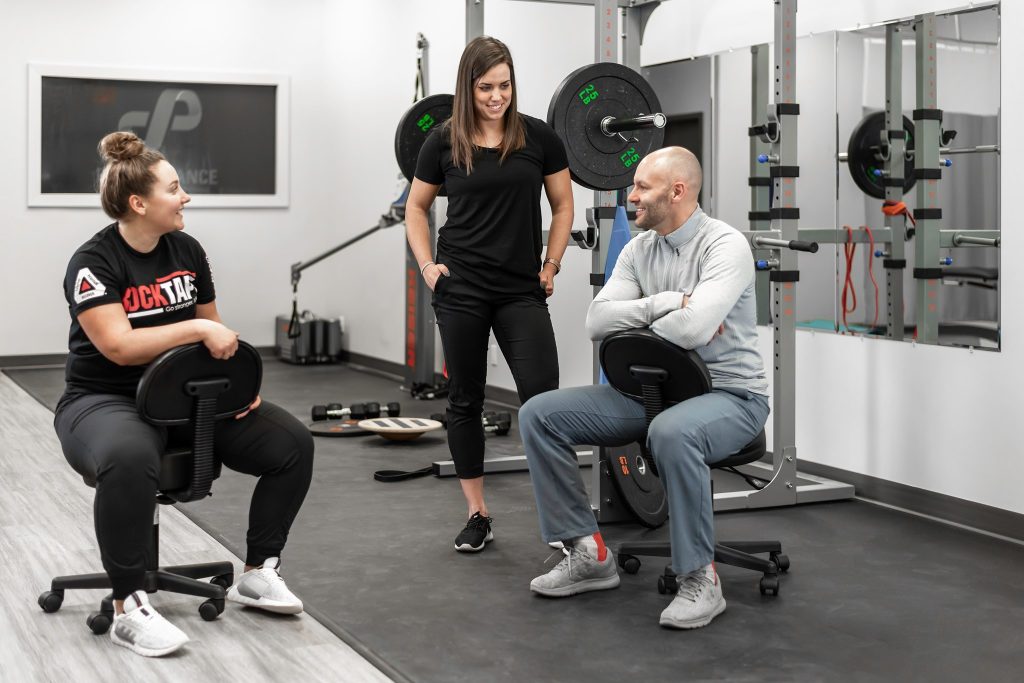
Early assessment is recommended even if pain seems manageable, as some joint or soft tissue injuries worsen over days; timely care can shorten recovery and reduce complications.
Not always; many motocross injuries can be assessed clinically, and imaging is usually considered only when symptoms, history, or exam findings suggest a fracture or significant structural damage.
Yes, chronic issues often respond well to a combination of manual care and progressive exercise that addresses underlying movement and load-management problems.
Athletes often ask about timelines, costs, and expectations, and while recovery varies based on injury severity and training demands, most plans focus on phased progress rather than fixed sessions, emphasize active participation, and aim to integrate rehab with riding schedules rather than stopping activity entirely.