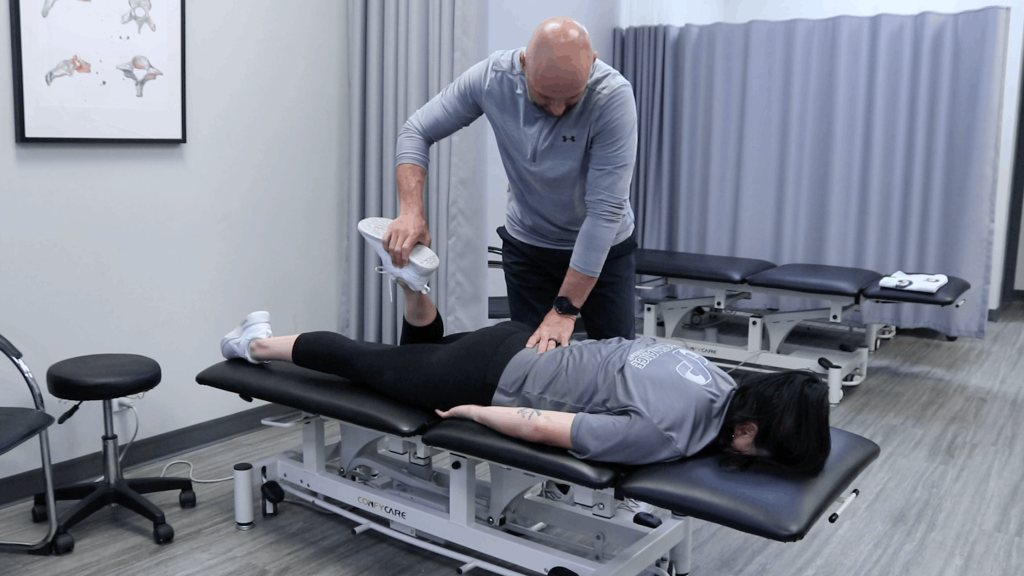
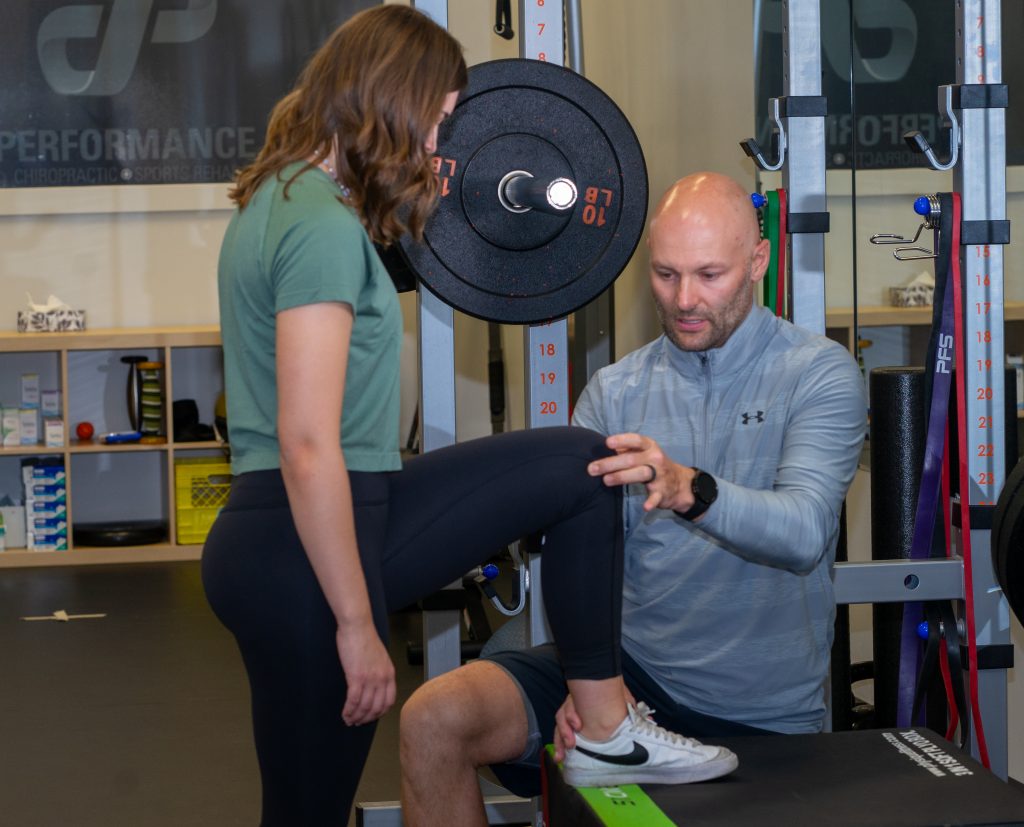
This service supports Edmonton athletes who train and compete in obstacle course racing and are dealing with pain, setbacks, or incomplete recovery after injury. It focuses on restoring strength, mobility, grip capacity, and running tolerance so you can return to demanding courses with confidence instead of recurring breakdowns. Care is built around how OCR stresses the body through climbing, carries, jumps, and uneven terrain, with a practical plan to get you back to racing-ready movement. If your training has stalled or pain is lingering, professional guidance can help you move forward safely.
The process begins with a detailed assessment of movement, strength, joint function, and training history. Care may include manual therapy to address joint or soft tissue restrictions, targeted exercise to rebuild strength and control, and progressive loading plans that reflect OCR-specific demands such as grip endurance, carries, and running mechanics. Progress is guided by pain response, functional testing, and gradual return-to-training principles rather than arbitrary timelines.
Injury recovery for OCR athletes is complex because it blends endurance running with high-load, high-skill obstacles. Many athletes try to push through pain or return too early, which increases the risk of chronic issues. Understanding the specific causes and risks helps determine whether targeted rehab is the right next step.
Hanging obstacles, rope climbs, and carries place sustained stress on the hands, elbows, shoulders, and upper back. Small tendon injuries or joint irritation can worsen if loading is not progressed carefully, leading to chronic tendinopathy or instability that limits performance.
Trail running, descents, and sudden changes in direction increase load on the ankles, knees, hips, and lower back. Without proper recovery, minor sprains or muscle strains can alter running mechanics and create compensations that delay healing.
Obstacle course racing uniquely blends cardiovascular fatigue with maximal or near-maximal strength efforts. This fatigue can mask injury severity, causing athletes to underestimate tissue damage and continue training before adequate repair has occurred.
Many athletes stop rehab once pain decreases rather than when function is fully restored. Residual weakness, limited mobility, or poor control can increase re-injury risk during complex obstacle movements.
Working with a qualified provider helps athletes rebuild capacity in a structured way, addressing both pain and performance. The outcome is not just symptom relief, but improved movement efficiency, load tolerance, and confidence when tackling obstacles and running demands.
Timelines vary depending on the type and severity of injury, training volume, and how long symptoms have been present. Some athletes notice meaningful improvements within a few weeks, while more complex or long-standing issues require a longer, staged approach.
In many cases, modified training is encouraged. The focus is on maintaining fitness while avoiding movements or loads that aggravate the injury, with gradual reintroduction as capacity improves.
Rest alone often fails to restore strength, control, and tolerance to OCR-specific loads. Professional guidance helps ensure tissues are reconditioned properly, reducing the risk of repeated setbacks.
This type of care is suited for athletes dealing with persistent pain, repeated flare-ups, or uncertainty about returning to full training. An assessment can clarify whether targeted rehab is appropriate and what approach makes sense for your goals, schedule, and current condition.