

Targeted physiotherapy care for orienteers in Edmonton who are dealing with pain, recurring injuries, or stalled rehab from training and competition, focused on restoring confidence in uneven terrain, speed, and navigation so you can return to the forest stronger and more resilient; book an assessment to start moving forward.
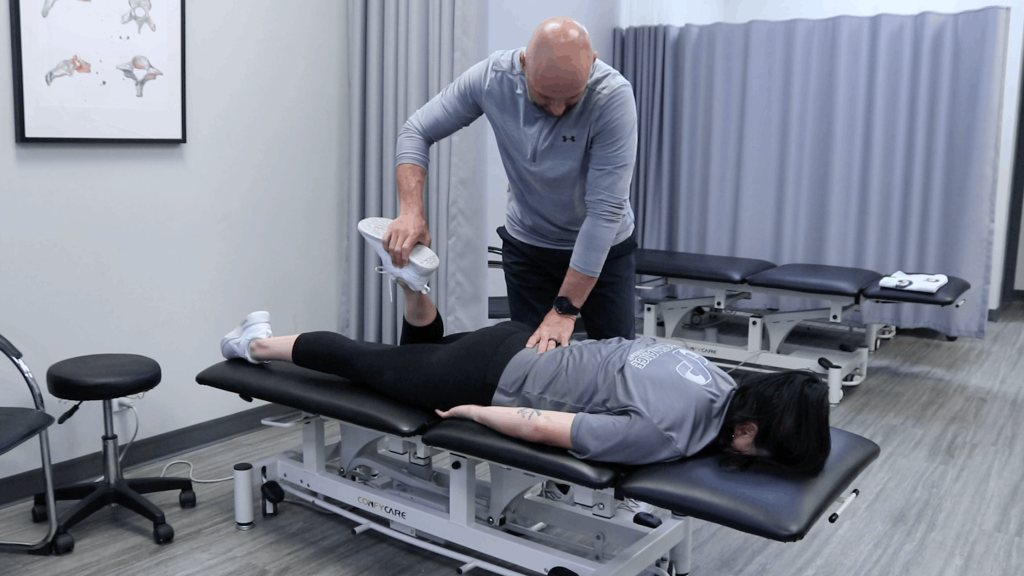
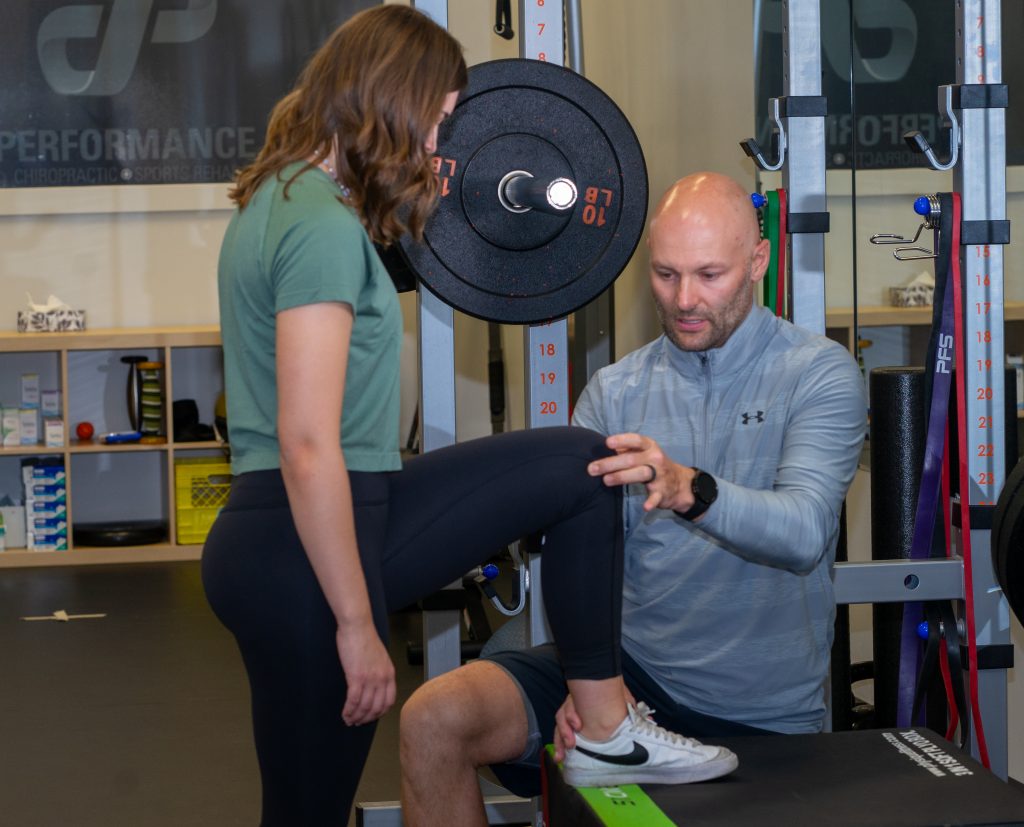
Care begins with a detailed assessment of movement, joint mobility, strength, balance, and running mechanics relevant to off-trail conditions. Treatment may include manual therapy to restore joint and soft tissue function, progressive loading exercises for tendons and muscles, proprioceptive and agility drills, and graded exposure to uneven surfaces. Rehabilitation is guided by current physiotherapy standards and adjusted based on symptoms, training load, and upcoming events.
Orienteering places unique physical demands on the body, combining endurance running with sudden directional changes, off-trail terrain, and cognitive load. These demands increase injury risk and can complicate recovery if care does not account for sport-specific mechanics.
Running across rocks, roots, and variable slopes exposes the ankles, knees, hips, and lower back to constant micro-adjustments. Over time this can lead to tendon overload, joint irritation, or stress reactions if tissue capacity does not keep pace with training volume.
Quick stops, sharp pivots, and unexpected drops while map reading often cause ankle sprains, calf strains, or knee injuries. Without proper rehab, these injuries may heal incompletely and increase the risk of re-injury during future events.
After lower limb injuries, the body’s ability to sense position and react quickly can be impaired. In orienteering, delayed reactions increase the likelihood of falls or repeated ankle rolls, especially when returning to full speed too early.
Athletes often adapt their stride or posture to protect an injured area. These compensations can overload other tissues, leading to hip pain, Achilles issues, or low back discomfort that persists even after the original injury feels improved.
Working with a physiotherapist who understands the physical demands of navigation running helps restore strength, mobility, and control in a way that transfers directly to competition. Outcomes include improved confidence on uneven terrain, reduced recurrence of sprains or strains, better running efficiency off-trail, and a structured return to training that respects both tissue healing timelines and performance goals.
Timelines vary depending on the injury type, severity, and training history. Mild strains or sprains may improve over several weeks, while tendon or recurrent injuries often require a longer, structured program with gradual increases in load.
Not always. Many athletes can continue modified training while injured. A physiotherapist helps determine which activities are safe, how to adjust volume or terrain, and when to progress back toward full competition.
No. This care is appropriate for recreational and competitive athletes alike. The approach is scaled to your experience level, goals, and current fitness, whether you are preparing for local events or higher-level competition.
Initial appointments focus on assessment and planning, with follow-up visits progressing exercises and monitoring response to training. Costs depend on visit length and frequency, and no referral is typically required. Choosing qualified physiotherapy support helps ensure injuries are addressed thoroughly rather than masked, reducing long-term setbacks and supporting sustainable participation in orienteering.