

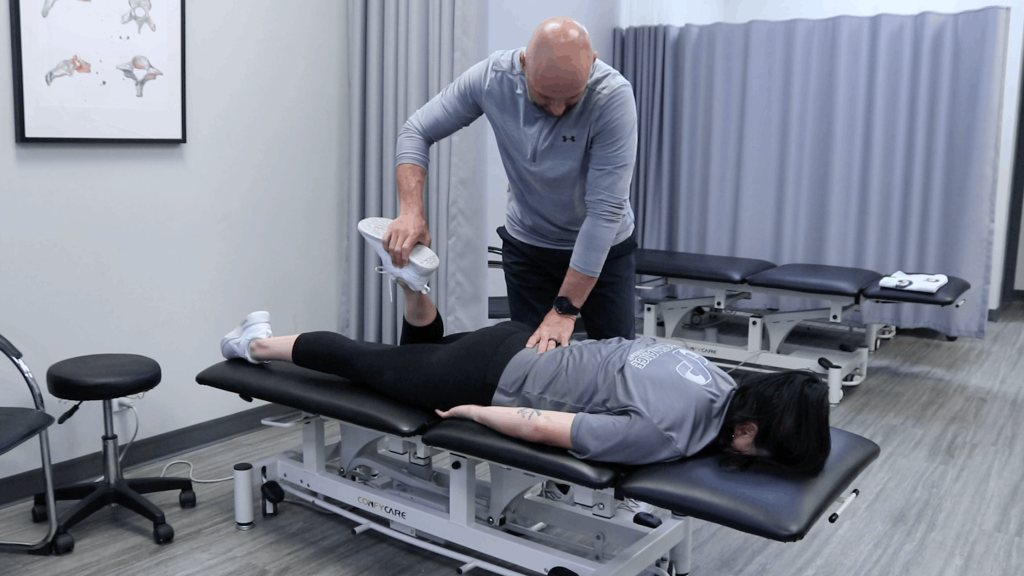
Care begins with a detailed history and physical assessment, including gait and race walking technique analysis. Strength, mobility, and load tolerance are evaluated to identify contributing factors rather than just symptoms. Treatment may include manual therapy, progressive strength and conditioning, neuromuscular retraining, and technique-focused drills aligned with current sports rehabilitation principles. Training volume, recovery strategies, and footwear considerations are also addressed to support sustainable improvement.
Race walking places unique mechanical demands on the body, including sustained hip extension, rapid cadence, and strict technique rules that limit flight time. These factors concentrate repetitive load through the hips, knees, shins, ankles, and lower back, making even small biomechanical faults or training errors more likely to cause injury over time.
Legal race walking requires a straightened knee at contact and visible ground contact, which often increases impact through the knee and shin while demanding strong hip stability. When technique breaks down due to fatigue or poor motor control, stress shifts to tissues not conditioned to handle it, contributing to pain that persists despite rest.
Race walkers often accumulate high weekly mileage with limited variation in speed or terrain. Without adequate recovery, progressive loading, and strength support, tissues such as tendons and joint cartilage may fail to adapt, increasing the risk of chronic conditions like tendinopathy or joint irritation.
Athletes frequently present with shin splints, hip flexor strain, gluteal tendinopathy, patellofemoral pain, Achilles issues, and lumbar stiffness. These problems are often interconnected, meaning treating only the painful area without addressing movement patterns can delay full recovery.
Continuing to train through pain can alter gait mechanics and increase the likelihood of secondary injuries. Over time, unresolved issues may reduce walking efficiency, lead to disqualification risk due to technique breakdown, or force prolonged time away from competition.
Working with a qualified provider helps athletes reduce pain, restore tissue capacity, and improve walking efficiency. Outcomes typically include improved load tolerance, better hip and trunk control, smoother technique at race pace, and a clearer plan for returning to training without repeated flare-ups.
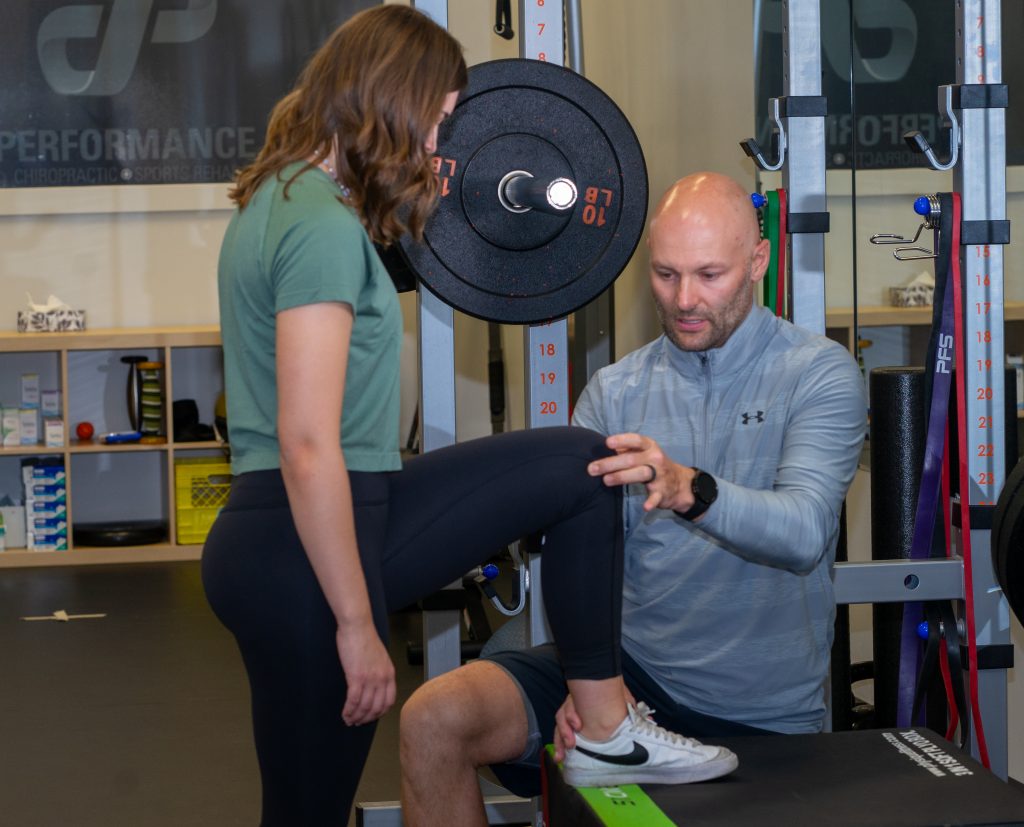
Athletes often ask about cost, appointment frequency, and what to bring to the first visit. Care plans are individualized, fees reflect assessment time and clinical expertise, and bringing current shoes or training details can help make the evaluation more precise. The goal is clear guidance, measurable progress, and a safe return to effective race walking.