


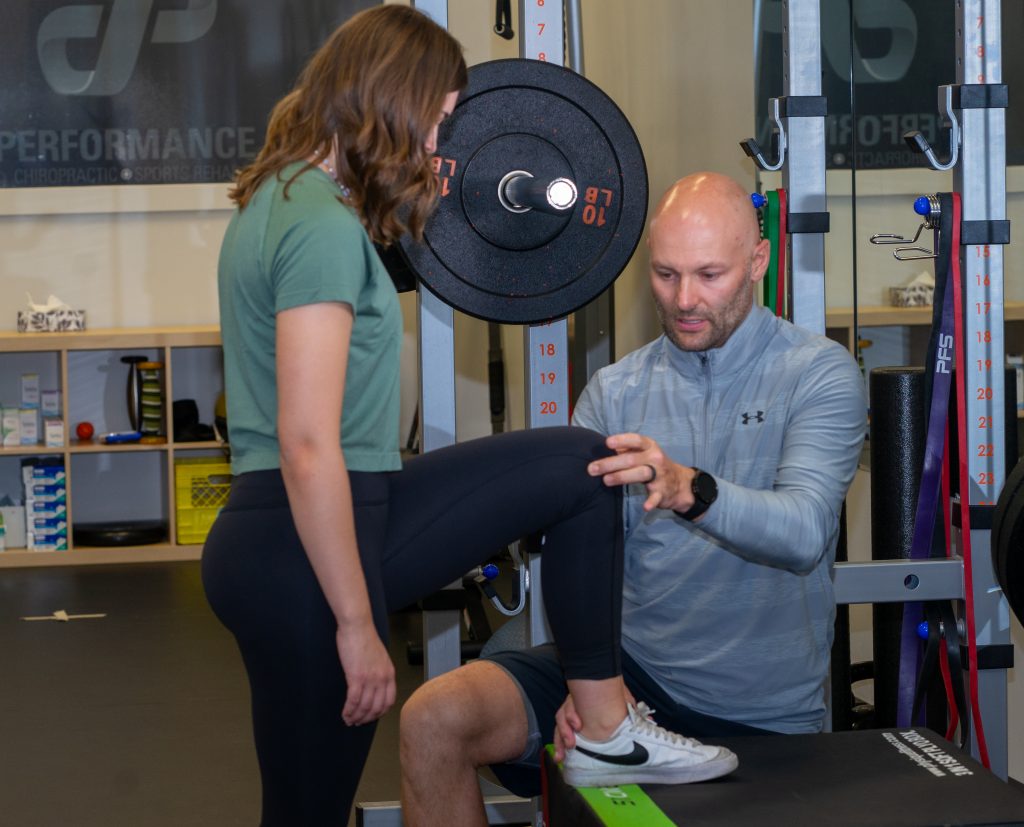
The process begins with a detailed history of your rally role, vehicle setup, recent incidents, and training load, followed by a physical and functional assessment targeting the spine, extremities, and nervous system. Care plans may include manual therapy to restore joint and soft tissue movement, progressive exercise to rebuild capacity, neuromuscular control work for vibration tolerance, and return-to-drive criteria aligned with motorsport safety principles. When indicated, coordination with imaging, concussion screening, or other medical providers is part of responsible care.
Rally racing exposes the body to unique mechanical loads and risks that differ from circuit or gym-based sport, and those stresses accumulate across recce, testing, and competition. Understanding the causes and risks behind these injuries helps determine when specialized rally-focused injury support is the right choice rather than generic care.
Repeated high-frequency vibration through the spine and upper body, combined with sudden impacts from jumps or off-road terrain, can irritate joints, discs, and soft tissues. Without targeted management, these forces commonly lead to persistent neck, back, and shoulder pain that worsens over a season.
Even with proper safety equipment, crashes can cause whiplash-type injuries, rib and shoulder strains, or concussive symptoms. Early, structured assessment is critical because returning to driving too soon can prolong recovery or mask neurological or cervical issues.
Steering, braking, and bracing create uneven loading patterns, while co-drivers sustain prolonged postural strain and rapid head movements during pace note delivery. These asymmetries can contribute to hip, knee, and thoracic spine problems if not addressed with sport-specific rehab.
Multi-day events and back-to-back rallies leave little time for recovery. Athletes often push through pain, increasing the risk of compensations and secondary injuries that can derail a season without proper rally-oriented injury management.
Working with a qualified provider who understands rally racing allows care to be matched to real on-stage demands, not just symptom relief. Athletes can expect clearer diagnoses, progressive pain reduction, restored strength and mobility, and a safer return to competition timelines. The outcome is not only recovery from the current issue but improved resilience to future impacts, longer seasons, and more consistent performance under fatigue.
Costs vary based on assessment complexity and treatment duration, but care is typically structured in phases so you understand what to expect. Athletes should plan to participate actively in exercises and recovery strategies, communicate changes in symptoms promptly, and prioritize safety over pushing through unresolved pain.