

Designed for competitive and recreational Sambo athletes in Edmonton, this service focuses on diagnosing and rehabilitating pain and injuries that arise from high-force throws, leg locks, and intense grappling exchanges. Whether you are dealing with acute pain, lingering mobility loss, or recurring setbacks that limit training, the goal is to restore function, control symptoms, and guide a safe return to the mat through structured, sport-specific care. Book an assessment to understand what is driving your pain and how targeted rehab can move you forward.
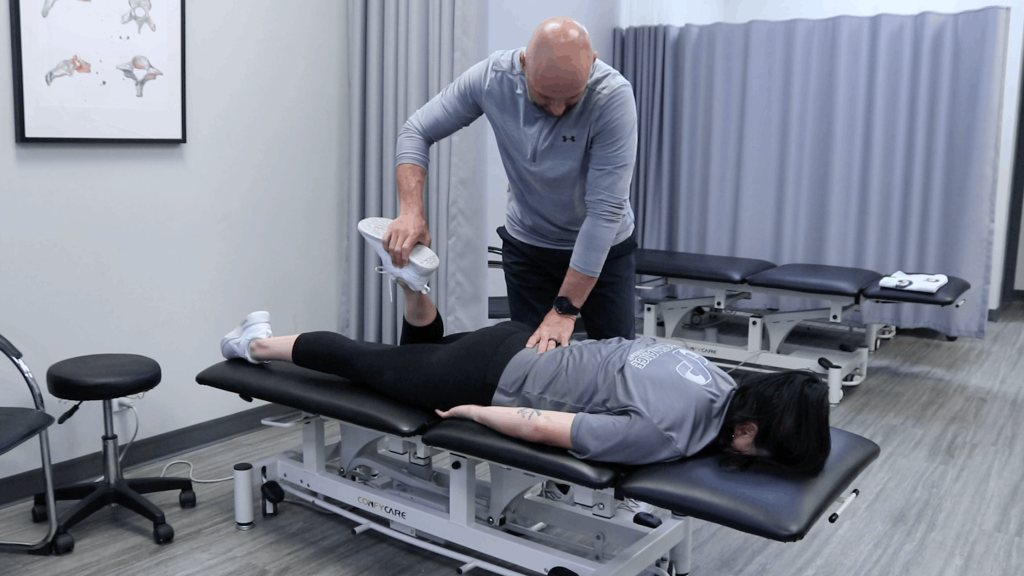
Care begins with a detailed history and physical assessment to identify injured tissues, movement limitations, and contributing training factors. Treatment may include manual therapy to reduce pain and restore mobility, progressive therapeutic exercise to rebuild strength and control, and neuromuscular training to improve joint stability under load. Rehab plans are progressed in stages, from symptom control to sport-specific drills, aligning with evidence-based physiotherapy and chiropractic principles while respecting individual recovery timelines.
Sambo places unique physical demands on the body, combining wrestling-style takedowns with submission-based leg attacks. These demands create predictable injury patterns and risks when tissues are overloaded, recovery is rushed, or movement faults go unaddressed.
Repeated takedowns and defensive falls transmit force through the shoulders, spine, hips, and ribs. Poor breakfall mechanics or fatigue can increase compressive and shear forces, contributing to joint irritation, muscle strains, and spinal stiffness that worsen with continued training.
Kneebars, ankle locks, and rotational leg attacks place extreme torsional stress on the knee and ankle. Even when no acute tear occurs, athletes often develop ligament sprains, tendon irritation, or joint instability that can compromise confidence and performance if not properly rehabilitated.
Constant grip battles stress the elbows, wrists, and fingers, commonly leading to tendinopathy or nerve irritation. These issues may start as mild pain but can progress to chronic conditions that limit pulling strength and control.
Ignoring symptoms to maintain training volume increases the risk of compensatory movement, delayed healing, and secondary injuries. What begins as a manageable issue can evolve into a longer layoff if the underlying cause is not addressed.
Working with a qualified provider allows injuries to be assessed in the context of Sambo-specific demands. The focus is on reducing pain, restoring joint stability and mobility, rebuilding sport-relevant strength, and improving movement efficiency so athletes can return to training with greater resilience and reduced re-injury risk.
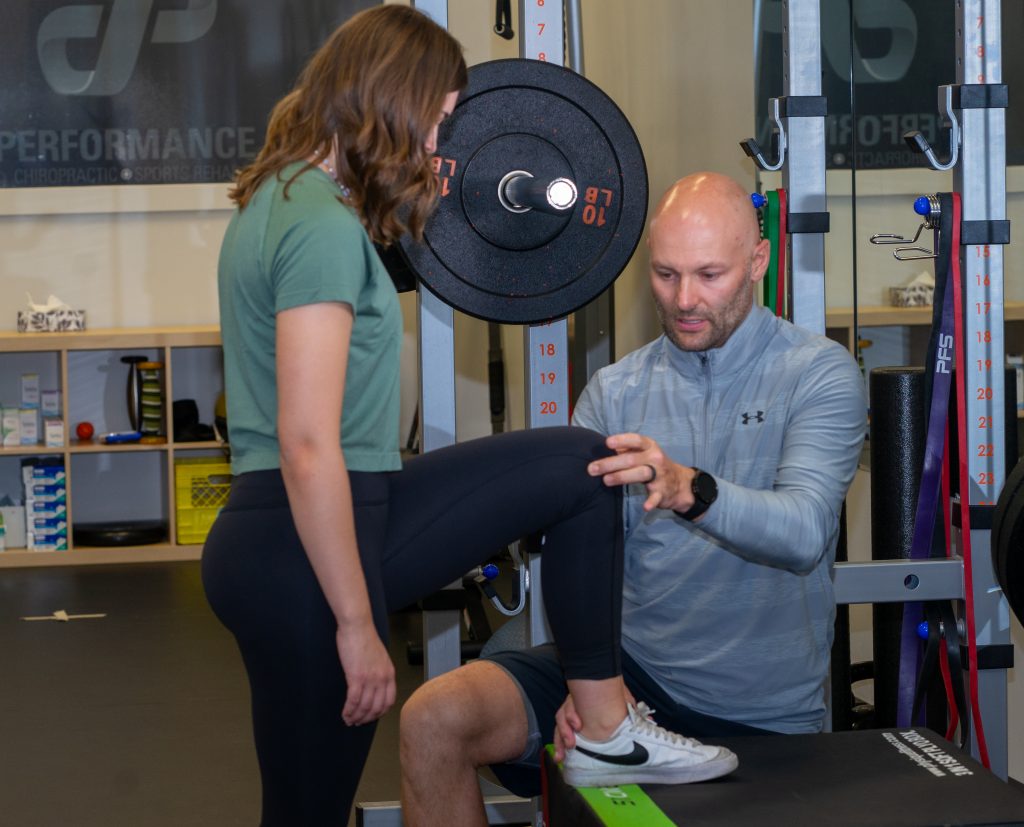
Timelines depend on the type and severity of injury, training load, and adherence to rehab. Minor strains may improve in a few weeks, while ligament or tendon issues often require several months of progressive loading and monitoring.
Imaging is not always necessary and is typically recommended only when assessment findings suggest a more serious injury. Many Sambo-related issues can be effectively managed through clinical evaluation and functional testing.
In many cases, modified training is encouraged. The goal is to maintain conditioning while avoiding movements that delay healing, with clear guidance on what to limit and when to progress.
Athletes often wonder about cost, session frequency, and readiness to return to competition. Care plans are typically adjusted based on response to treatment rather than fixed schedules, and progress is reassessed regularly. Early assessment is recommended, as addressing pain and movement issues sooner often shortens recovery time and supports a safer, more confident return to Sambo.