

Specialized rehabilitation for Edmonton riders who want to recover from riding-related pain, restore performance, and return to training with confidence by addressing the unique physical demands of show jumping through coordinated chiropractic and physiotherapy care.
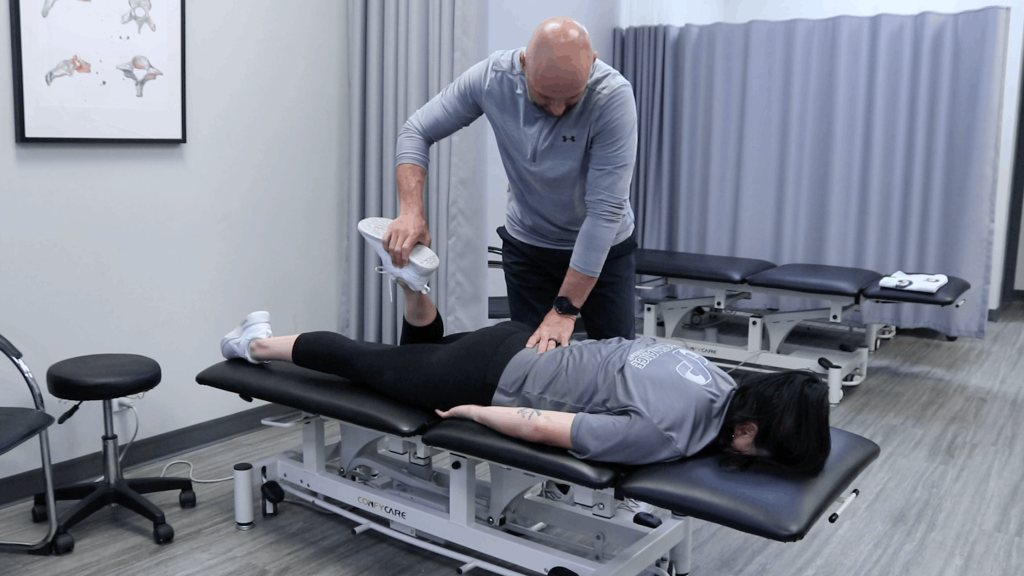
The rehab process begins with a detailed assessment of riding posture, joint motion, muscle control and injury history, followed by a clinical exam to identify movement restrictions, strength deficits and load intolerance. Treatment may combine manual therapy to restore joint and soft tissue mobility, targeted physiotherapy exercises to rebuild strength and endurance, and chiropractic care to optimize spinal and pelvic mechanics. Progressions are guided by functional milestones such as pain-free posting, controlled landing tolerance and symmetry in riding position, while education focuses on warm-up strategies, recovery planning and off-horse conditioning that aligns with show jumping demands.
Show jumping places complex, repetitive and asymmetric loads on the body that differ significantly from most field or gym sports, and these demands create predictable injury patterns when not managed properly.
Each jump transmits high ground reaction forces through the ankles, knees, hips, spine and shoulders as the rider absorbs impact while maintaining balance and control, and over time these forces can irritate joints, overload tendons, and contribute to stress-related injuries when recovery or conditioning is insufficient.
Show jumping requires constant unilateral loading as riders use one rein, one stirrup, or one hip more than the other to guide the horse, which can lead to pelvic rotation, spinal joint restriction, uneven muscle development and chronic one-sided pain if not corrected through targeted rehab.
Unexpected stops, awkward landings, or falls can cause acute injuries such as sprains, disc irritation, rib dysfunction or soft tissue trauma, and without structured rehabilitation these injuries may heal incompletely and increase the risk of reinjury during future rides.
High-frequency riding, barn work, and cross-training without adequate recovery or mobility work can accumulate microtrauma, leading to overuse conditions like hip flexor strain, low back pain, or shoulder impingement that progressively limit performance.
With care designed around the biomechanics of jumping and riding, athletes can expect improved joint mobility, better postural control in the saddle, reduced pain during and after rides, and a clearer progression back to competition-level demands without unnecessary setbacks.
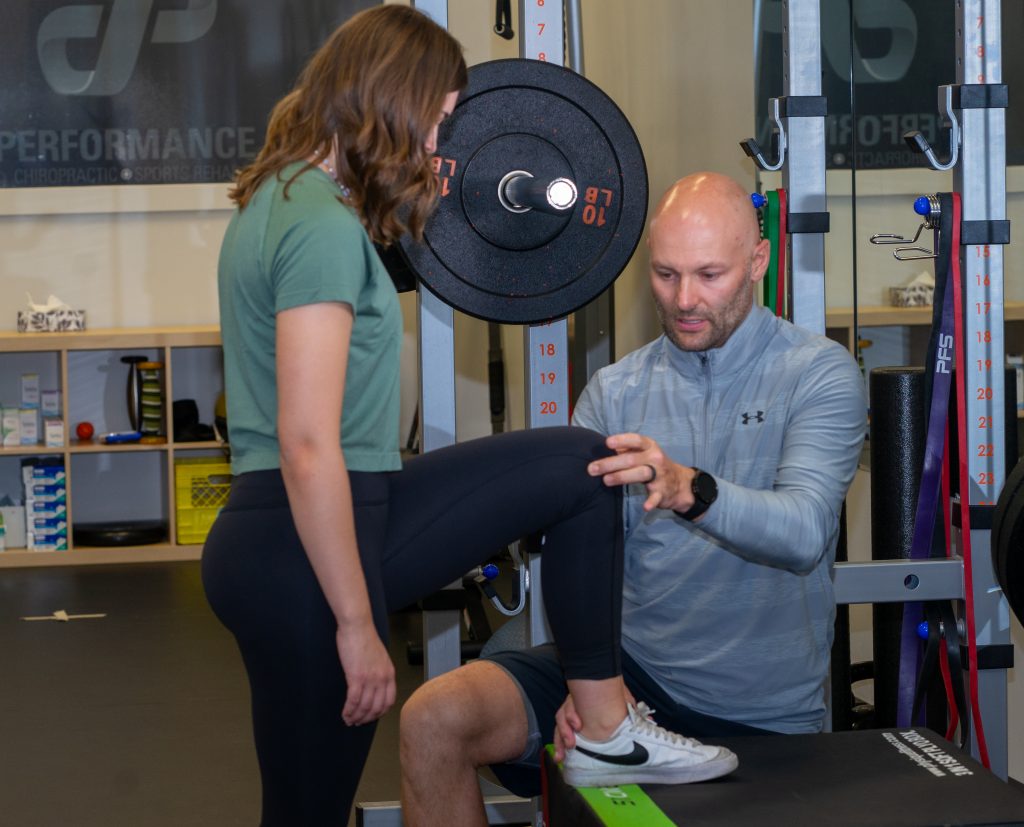
Timelines vary depending on the type and severity of injury, how long symptoms have been present, and training demands, but many riders notice functional improvement within the first few weeks when care is consistent and activity is properly modified.
Not always, as many riders can continue limited or modified riding during rehab, but decisions are based on tissue tolerance, pain response and safety to ensure continued riding does not delay healing or increase injury risk.
Yes, care tailored to jumping athletes accounts for saddle position, rein use, landing mechanics and competition schedules, which allows treatment and exercise selection to directly transfer to riding performance rather than only addressing generic movement patterns.
Riders often want to know about session frequency, coordination with coaches, and whether care fits into busy training schedules, and this service is designed to integrate rehab into real-world riding demands by adjusting visit frequency over time, communicating functional goals, and focusing on efficient exercises that support both recovery and long-term performance.