Targeted assessment and rehabilitation for Edmonton athletes who slackline and are dealing with pain, instability, or performance setbacks, combining evidence-based manual therapy, movement retraining, and progressive loading to help you return to the line with confidence and control—book an evaluation to get clarity on your next step.
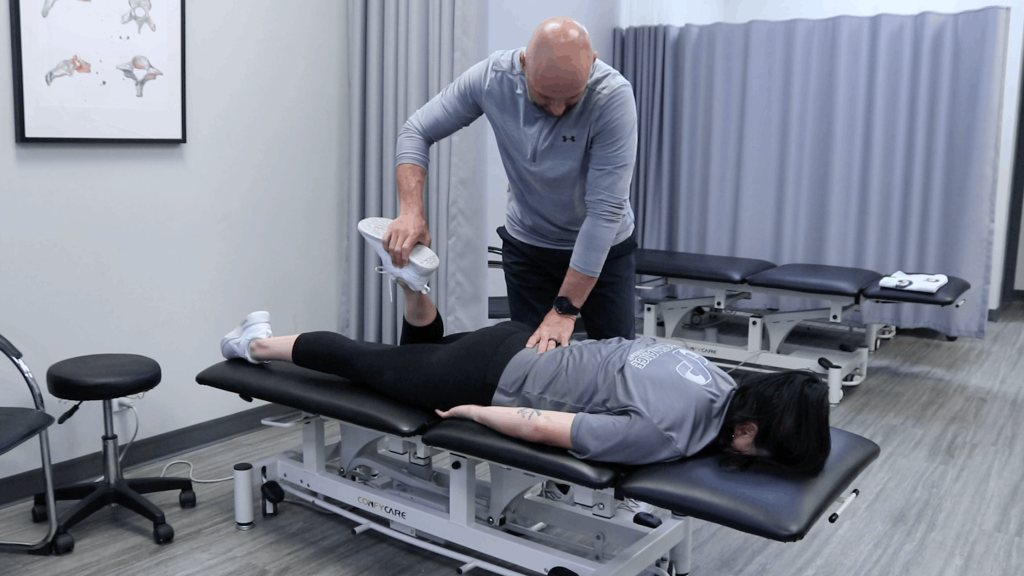
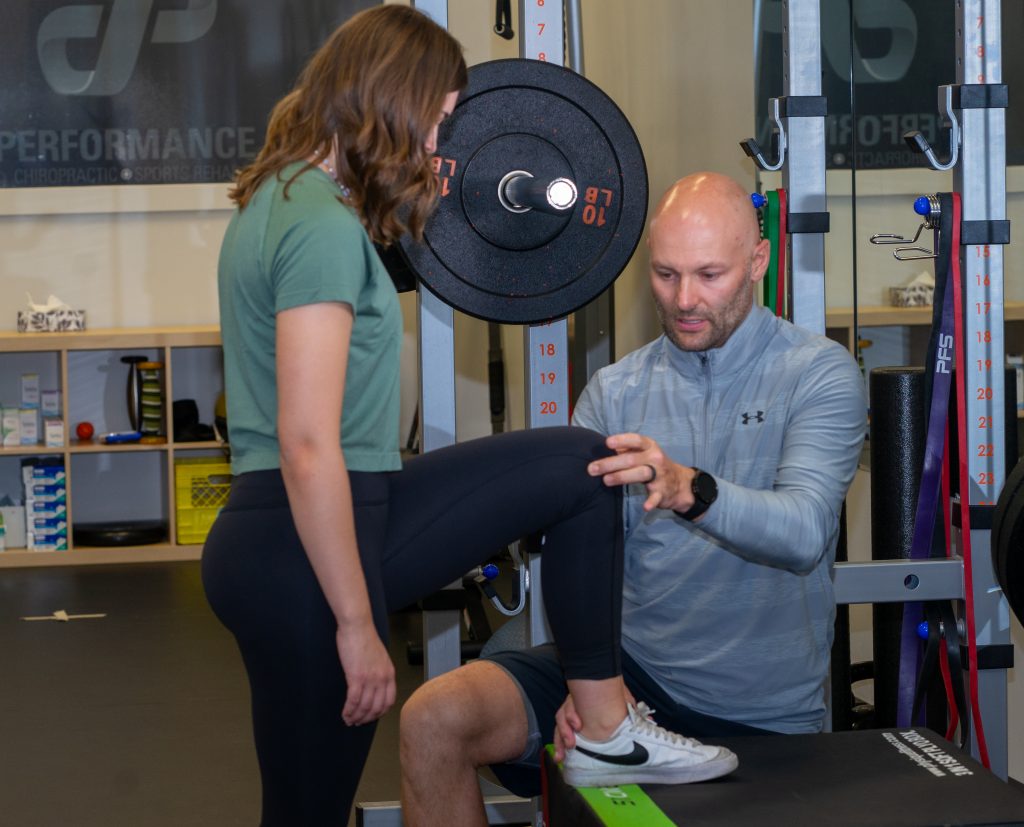
Care begins with a detailed history and movement assessment focusing on balance reactions, joint loading, and sport‑specific tasks, followed by a tailored plan that may include manual therapy, therapeutic exercise, neuromuscular re‑education, and progressive exposure to slackline‑like demands, using validated assessment tools and load‑management principles to guide decisions.
Slacklining places unique demands on the body because balance corrections are constant, multi‑directional, and often unpredictable, which means even small technique errors or fatigue can translate into tissue overload; understanding these mechanisms is essential for athletes seeking effective injury care rather than temporary symptom relief.
Rapid ankle, knee, hip, and spinal adjustments are required to stay centred on the line, and when neuromuscular control lags behind demand, excessive shear and rotational forces can irritate ligaments, joint capsules, and surrounding musculature.
Frequent sessions without adequate recovery can strain tendons such as the Achilles, patellar, or peroneals, leading to tendinopathy driven by cumulative microdamage rather than a single traumatic event.
Unexpected loss of balance often results in abrupt landings or twisting motions, increasing the risk of ankle sprains, meniscal irritation, lumbar facet stress, or rib and shoulder strains.
Slacklining emphasizes certain stabilizers while neglecting others, and without complementary strength work, fatigue sets in faster, raising the likelihood of compensatory patterns that prolong pain and delay healing.
Working with a qualified provider helps identify the true source of pain, restore joint and soft‑tissue capacity, and rebuild balance and strength so athletes can return to slacklining with improved efficiency, reduced fear of re‑injury, and clearer benchmarks for safe progression.
Timelines vary based on tissue involved, severity, and training history, but many athletes notice functional improvements within a few weeks when pain drivers are addressed early and loading is progressed appropriately.
Imaging is not always required, as most slacklining injuries are diagnosed clinically through movement and load assessment, with referrals recommended only if red flags or poor response to care are present.
In many cases modified training is encouraged, with intensity, volume, or line height adjusted to maintain skill and fitness while protecting healing tissues.
Athletes often ask about cost, session frequency, and what to wear; care is typically structured in phased visits based on progress rather than fixed packages, comfortable athletic clothing allows accurate movement analysis, and transparent discussions upfront help ensure the approach fits your goals, schedule, and commitment to recovery.