

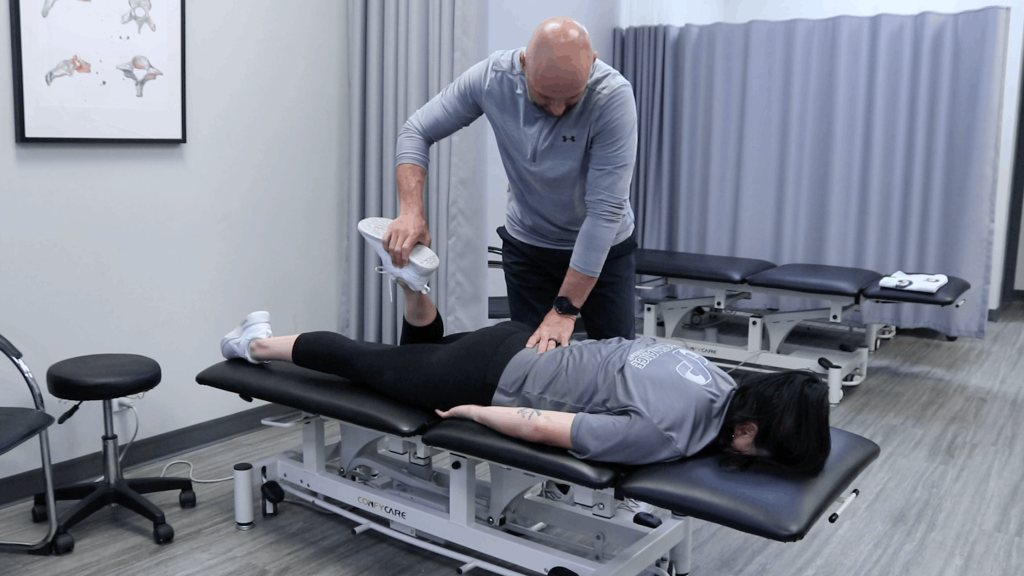
Care begins with a detailed assessment of injury history, race demands, footwear, and movement quality, often including gait and functional testing relevant to snowshoe mechanics. Treatment may combine manual therapy, progressive loading exercises, neuromuscular control work, and mobility strategies, guided by current physiotherapy standards. Education on warm-up strategies, training progression, and recovery in cold environments is integrated so improvements are sustainable beyond the clinic.
Snowshoe racing combines running mechanics with the added load, width, and traction of a snowshoe, creating injury patterns that differ from road or trail running. Understanding why these injuries occur is the first step toward effective treatment and long-term resilience.
The wider stance and reduced ankle mobility caused by snowshoes change normal stride mechanics, often increasing stress through the knees, hips, and lower back. Over time, this altered loading can irritate joints and overload muscles and tendons if not addressed with sport-specific rehab.
Racing on packed snow, ice, or rutted trails challenges balance and proprioception, increasing the risk of ankle sprains, foot strains, and compensatory injuries. Small stabilizing muscles fatigue quickly, which can allow poor movement patterns to develop under race pace.
Training and competing in cold conditions can reduce tissue elasticity and slow warm-up, making muscles and tendons more vulnerable to strain. Inadequate recovery between sessions may compound minor issues into more persistent injuries.
Many athletes transition into snowshoe racing from other sports, sometimes escalating mileage or intensity too quickly. Without gradual adaptation, tissues may not tolerate the sudden change, leading to stress reactions or tendinopathies.
Working with a qualified provider allows rehab to be aligned with the biomechanics and energy demands of snowshoe racing. Athletes can expect improved pain control, restoration of efficient movement patterns, and a structured return-to-training plan that supports speed, endurance, and confidence on winter terrain.
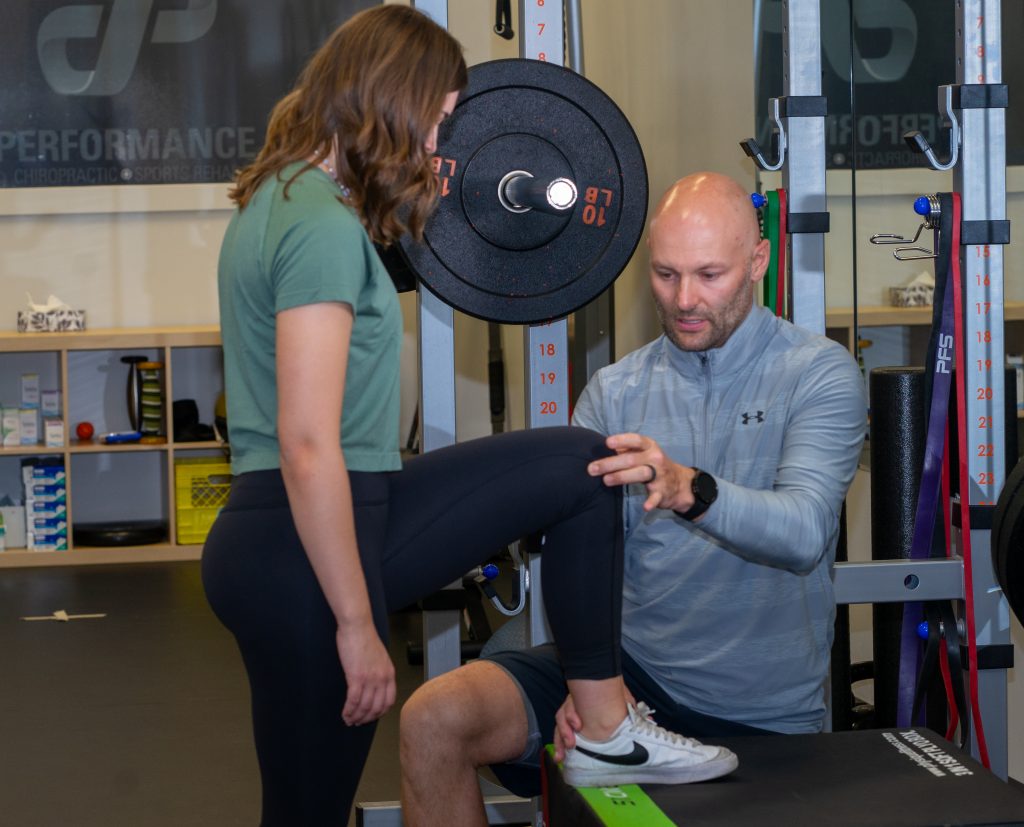
Timelines for recovery vary based on the type and duration of injury, training load, and individual response to treatment, but many athletes notice meaningful improvement within a few weeks of consistent care. Costs generally reflect session length and complexity, and no special equipment is required beyond normal training gear. Choosing a professional approach helps reduce the risk of recurrence and supports a safer, more effective return to racing in Edmonton’s winter conditions.