

Fast sprinting places extreme demands on the hips, hamstrings, calves, and spine, and when something goes wrong it can stop training and competition immediately. This service is designed for Edmonton athletes who need clear answers, pain control, and a structured rehab plan that restores speed and confidence rather than just settling symptoms. Care focuses on identifying why the injury occurred during acceleration or top-speed running, reducing pain safely, and rebuilding sprint mechanics so return to sport is durable. If sprinting pain or a sudden pull is holding you back, a focused assessment is the first step forward.
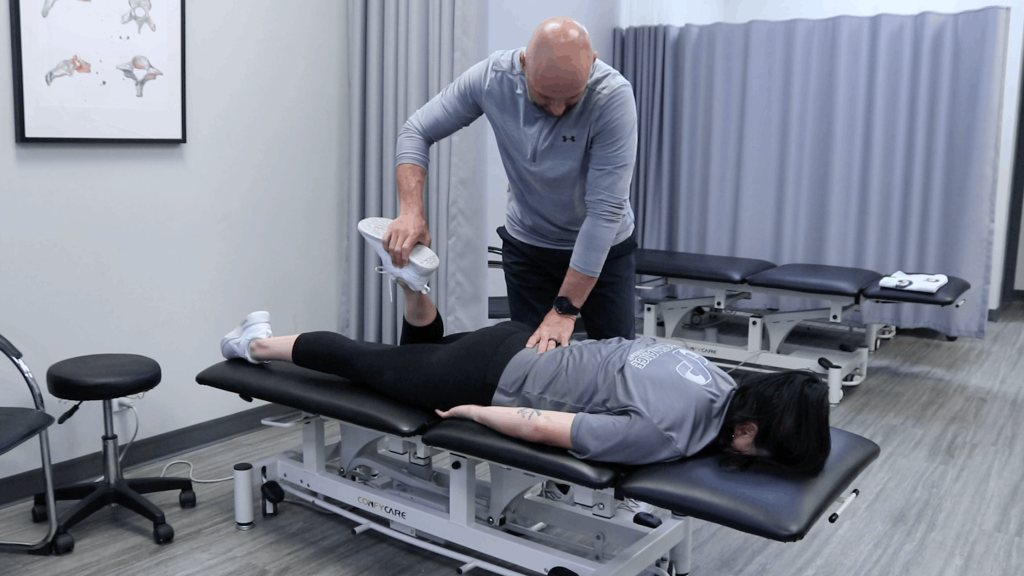
The process begins with a detailed history and physical assessment focused on sprint phases, pain triggers, and training context. Movement analysis, strength testing, and palpation help identify tissue involvement and mechanical contributors. Treatment may combine manual therapy, controlled loading exercises, neuromuscular retraining, and gradual sprint progressions. Objective benchmarks guide progression, and plans are adjusted based on response rather than timelines alone, following evidence-informed rehab and return-to-sport principles.
Sprinting injuries are rarely random; they usually develop from a mix of mechanical overload, tissue capacity limits, and technical breakdowns that show up only at high speed. Understanding the cause matters because treating pain alone without addressing sprint-specific demands increases the chance of recurrence, especially during maximal effort or fatigue.
The first steps of a sprint generate very high forces through the hamstrings, glutes, and calves as they lengthen and contract rapidly. If strength, stiffness, or coordination is insufficient, microscopic tissue damage can accumulate or a sudden strain can occur, commonly felt as a sharp pull or tightening sensation.
Efficient sprinting depends on stable control through the pelvis and lower spine to transmit power from the ground. When this control is lacking due to weakness, previous injury, or fatigue, stress shifts to the hamstrings and hip flexors, increasing pain and injury risk.
Sudden increases in sprint volume, intensity, or frequency can exceed tissue recovery capacity. This is common during pre-season, return-to-play phases, or when athletes add speed work without adjusting strength or rest, leading to strains or tendon irritation.
After an earlier strain or back issue, athletes may unconsciously change stride length, foot strike, or trunk position. These compensations can feel protective but often redistribute load in a way that sets up repeat sprinting injuries.
With qualified sprint-specific care, athletes can expect more than symptom relief. Outcomes include progressive pain reduction, restored range and strength under speed demands, improved sprint mechanics, and a structured return-to-running plan that rebuilds trust in maximal effort.
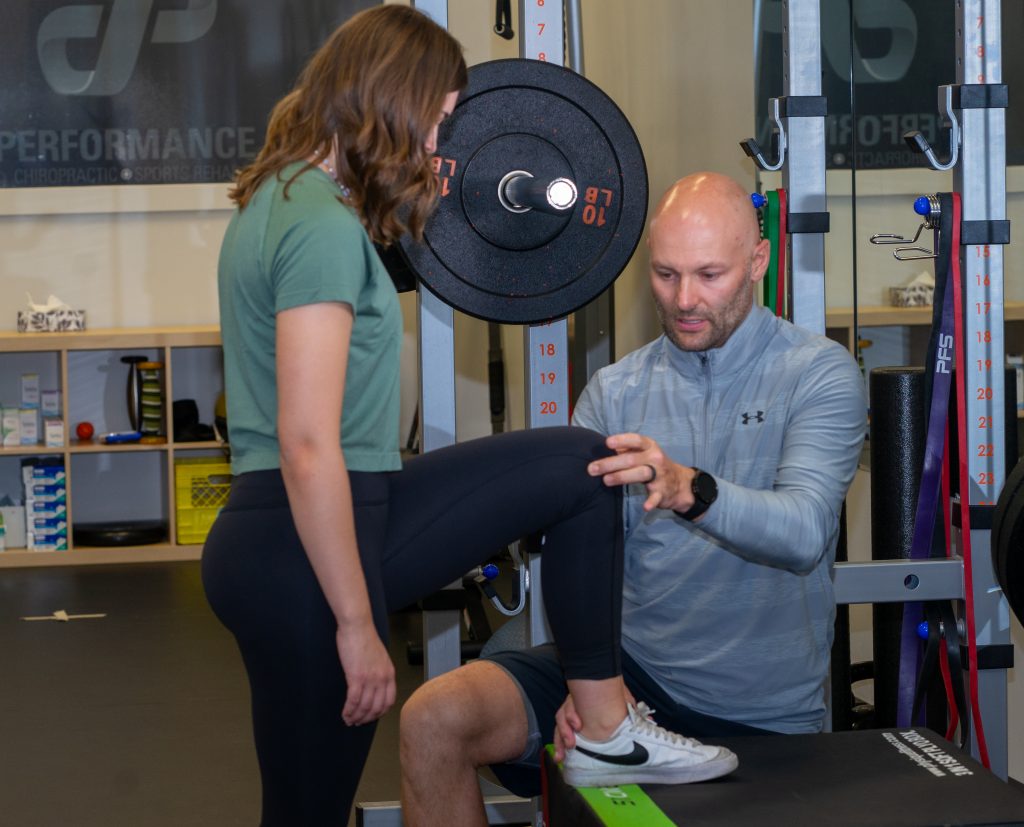
Timelines vary based on injury severity, tissue involved, and training demands. Mild strains may improve within weeks, while more complex or recurrent issues require a longer, staged approach focused on load tolerance rather than rushing back to full speed.
Not always. Many athletes benefit from modified running, technical drills, or cross-training while injured tissues heal. Decisions are based on pain behaviour, tissue healing capacity, and risk, with the goal of maintaining fitness safely.
No. It is appropriate for competitive and recreational athletes who sprint as part of their sport, including field sports. The key factor is exposure to high-speed running demands, not competition level.
Athletes often ask about cost, prerequisites, and what to expect at the first visit. Fees typically reflect assessment time and individualized care rather than generic programs. No referral is usually required, and wearing training shoes and bringing recent training details helps make the initial assessment more accurate and efficient.