Purpose-built physiotherapy for Edmonton swimrun athletes dealing with pain, overload injuries, or stalled rehab between training blocks and races, focused on restoring efficient movement across land and water so you can train consistently and return to competition with confidence; book an assessment to start a clear, sport-specific recovery plan.
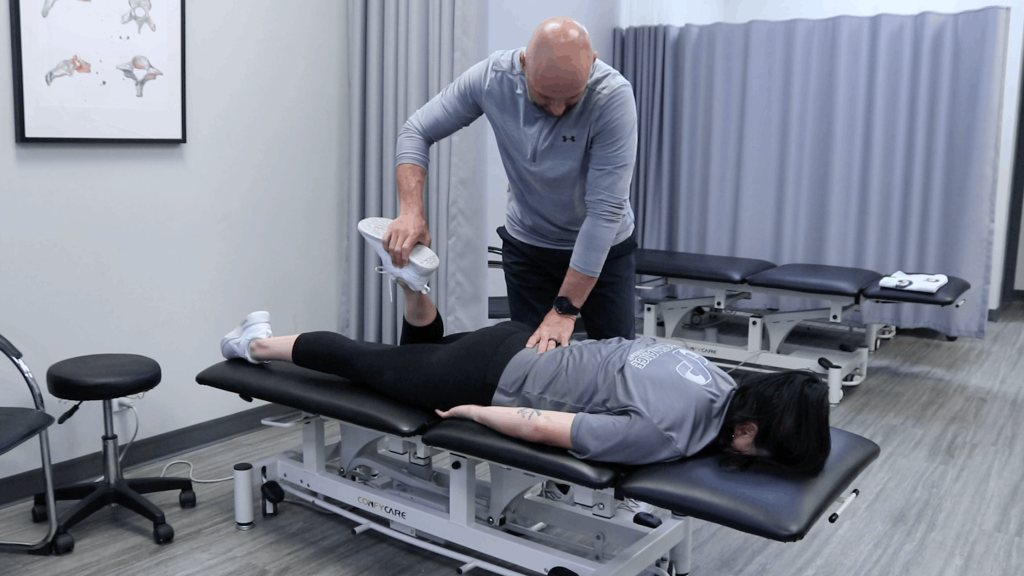
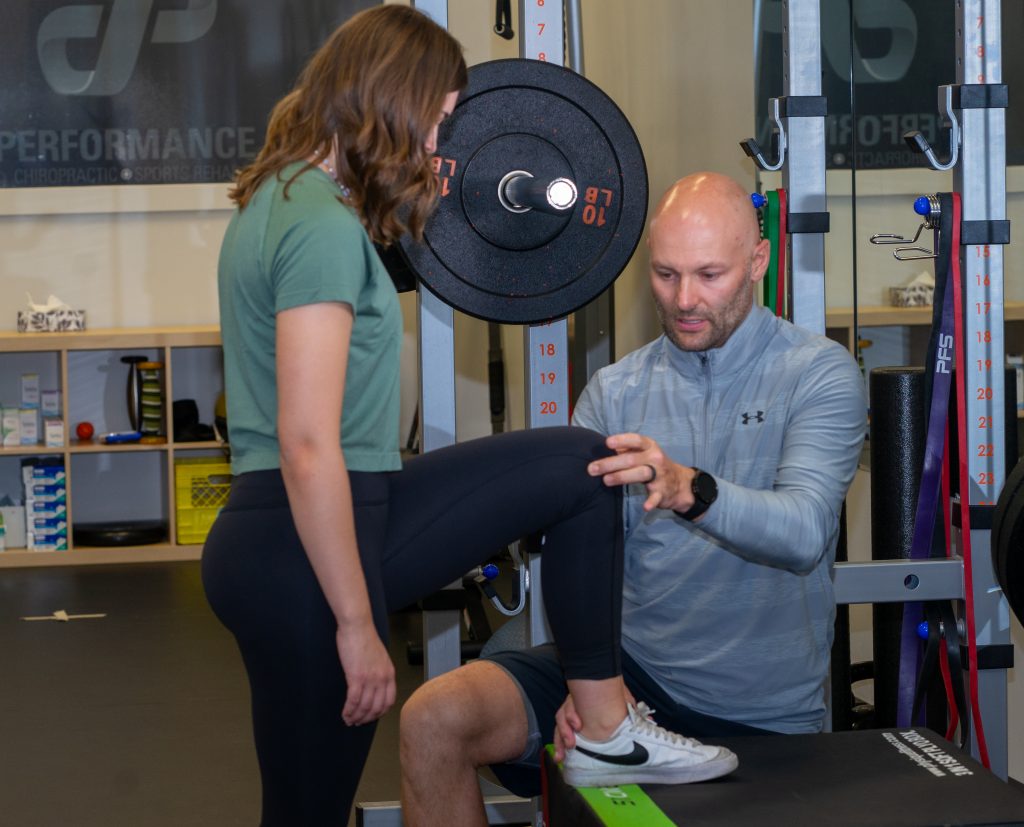
Care begins with a detailed assessment of injury history, training load, and movement on land and in the water, followed by hands-on treatment, exercise therapy, and load management guided by tissue healing principles and current rehabilitation standards; tools may include manual therapy, progressive resistance training, running mechanics analysis, swim-specific mobility work, and education on pacing and recovery, all adjusted over time based on response.
Swimrun places unique demands on the body by alternating running and swimming without full recovery, often in cold water and uneven terrain, which amplifies fatigue, alters biomechanics, and exposes small weaknesses that standard endurance programs may miss.
Rapid shifts between run and swim stress the calves, Achilles, hips, shoulders, and thoracic spine, and when weekly volume or intensity increases faster than tissues can adapt, microtrauma accumulates into tendinopathy, joint irritation, or muscle strains.
Swimming in choppy water with sighting demands increases cervical rotation and shoulder loading, and limited thoracic mobility or scapular control can drive impingement-like pain or nerve irritation that worsens during longer events.
Trail and off-road running in wet shoes changes foot strike and stability, increasing load through the plantar fascia, knees, and hips, particularly when hip strength or ankle control is insufficient for uneven surfaces.
Many athletes push through early pain to maintain fitness, but unresolved symptoms can alter movement patterns and increase injury severity, turning a manageable issue into a prolonged layoff during peak season.
Working with a qualified provider delivers targeted pain reduction, restored mobility, and progressive strength that matches swimrun demands, leading to improved efficiency, fewer flare-ups, and a clearer path back to full training and racing.
Timelines vary based on tissue type, severity, and how long symptoms have been present, but many athletes notice meaningful improvement within a few weeks when training load is managed appropriately and rehab is followed consistently.
In most cases, yes, with modifications; the goal is to maintain fitness while protecting healing tissues, using adjusted volumes, technique cues, and cross-training rather than complete rest unless clearly required.
This approach accounts for the combined swim-run demands, equipment constraints, and race formats of swimrun, which allows rehab and exercise progressions to be more precise than a generic program.
Costs are based on assessment time and follow-up visits rather than outcomes, no referral is typically required, and athletes should expect active participation through home exercises and training adjustments, making this service best suited for those committed to structured rehab and long-term performance health.