

Built for athletes in Edmonton who train hard with strongman-style movements, this care addresses pain, setbacks, and stalled progress linked to heavy tire flips by restoring movement, strength, and confidence so you can return to training with control and momentum; book an assessment to get a clear plan.
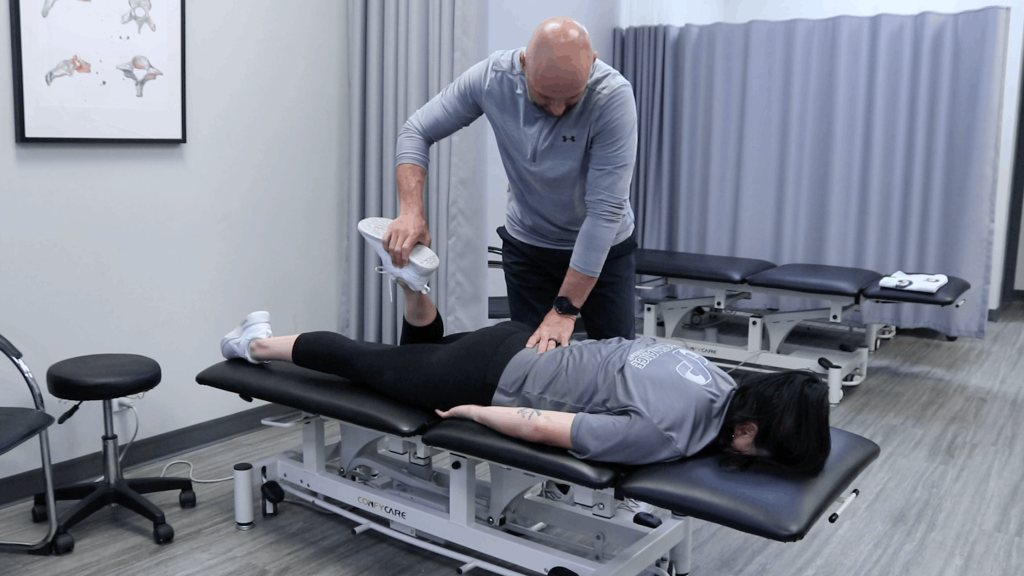
Care begins with a detailed movement and strength assessment focused on the hips, spine, shoulders, and grip, followed by a staged rehab plan that may include manual therapy to improve joint and soft tissue mobility, progressive loading exercises to rebuild capacity, neuromuscular control drills to refine timing, and technique coaching that respects the demands of tire flipping; progress is guided by symptoms, objective strength changes, and training goals, with coordination around imaging or referrals if red flags appear.
Powerful tire flips demand synchronized hip drive, spinal stability, grip strength, and timing, and breakdowns in any link can overload tissues quickly, especially when fatigue, heavy loads, or poor surfaces are involved.
When hip extension timing is off, force shifts to the low back, hamstrings, or knees, increasing strain during the initial pull and the turnover phase, which commonly leads to lumbar pain or posterior chain strains.
The catch and push phase can overload the shoulders, elbows, and wrists if scapular control or thoracic mobility is limited, raising the risk of rotator cuff irritation, biceps tendinopathy, or elbow pain.
Training cycles that progress weight or volume too quickly reduce tissue recovery time, making tendons and joints more vulnerable to overuse injuries that linger and affect overall performance.
A small strain often leads athletes to alter technique subconsciously, which can spread stress to new areas and turn a manageable issue into a multi-site injury if not addressed early.
Working with a qualified provider helps reduce pain, restore joint motion, and rebuild sport-specific strength so athletes can flip confidently, tolerate heavy loads, and maintain training consistency with a lower risk of re-injury.
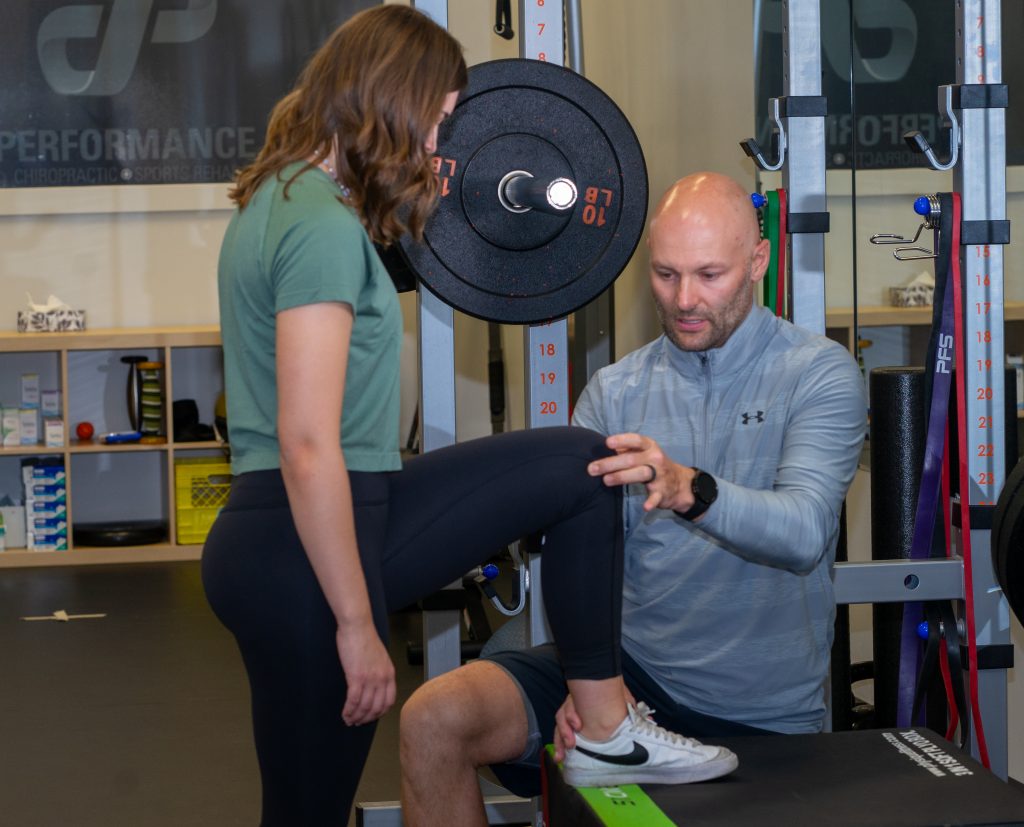
Timelines vary based on injury severity, training history, and adherence to the plan, but many athletes notice meaningful improvement within a few weeks while continuing modified training as capacity rebuilds.
Not always; many cases benefit from temporary load or volume adjustments rather than full rest, allowing tissues to adapt while maintaining conditioning and skill.
No; anyone training with heavy tires, including CrossFit or field-sport athletes using flips for conditioning, can benefit from targeted assessment and rehab.
Athletes often ask about cost, visit frequency, and what sessions involve, and care is typically structured in focused visits that combine hands-on treatment and guided exercise, with costs reflecting time and complexity rather than promises, and with clear communication so you know what to expect at each stage of your recovery.