


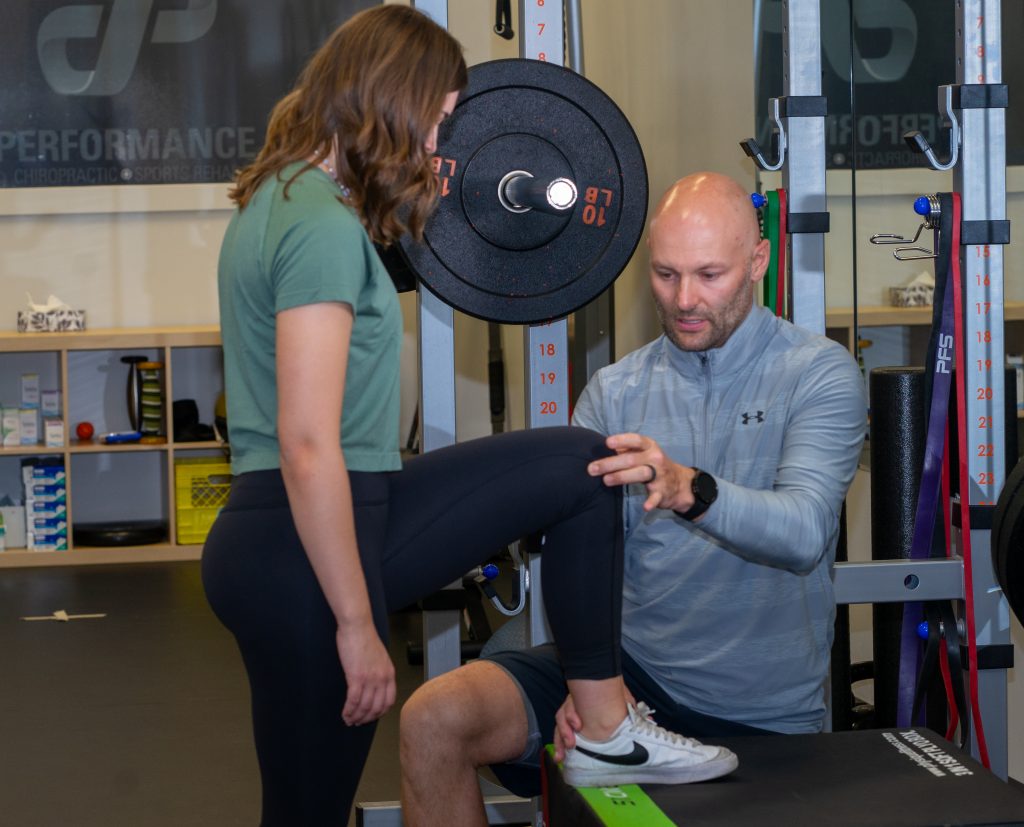
Care begins with a detailed assessment of movement, joint function, strength, and sport-specific demands. Treatment may combine manual therapy, targeted exercise therapy, and progressive loading strategies to address tissue healing and motor control. Tools such as mobility testing, strength benchmarks, and pain response monitoring guide progression. The approach aligns with evidence-based physiotherapy and chiropractic standards, adjusting intensity as the body adapts and training resumes.
Injury patterns in historical and Viking combat sports are shaped by armour weight, asymmetric weapon use, clinching, throws, and high-force collisions. Unlike many modern sports, loading is often uneven and unpredictable, which increases stress on shoulders, elbows, hips, knees, and the spine. Recovery requires understanding these unique forces rather than applying generic rehab approaches.
Shield strikes, body checks, and falls transmit force through joints and connective tissue faster than they can adapt. Over time, this can lead to joint irritation, cartilage stress, and chronic soreness that does not resolve with rest alone.
Consistent use of a dominant side for striking or grappling can cause imbalances between left and right sides of the body. These imbalances often contribute to shoulder pain, elbow tendinopathy, rib dysfunction, and rotational low back issues.
Training through pain without proper rehabilitation can alter movement patterns and reduce neuromuscular control. This compensation increases the likelihood of more severe injuries during sparring or competition.
Protective gear and high pain tolerance can hide early warning signs. By the time pain limits performance, tissue irritation or instability may already be well established, making recovery longer if not addressed properly.
Working with a qualified provider helps translate rehabilitation into real performance improvements. Athletes can expect clearer movement, improved load tolerance, and better control under fatigue. The goal is not only symptom relief, but restoring capacity so training demands can be met without constant flare-ups.
Athletes often want to know about cost, commitment, and whether this approach fits their level. Care is typically delivered over a series of sessions, with frequency based on injury severity and goals. You do not need a referral to start, but arriving with a clear picture of your training schedule helps tailor the plan. The emphasis is on practical recovery strategies that respect your sport and your time.