

Targeted care for wakeboarders in Edmonton who are dealing with pain, crashes, or lingering limitations that affect performance on the water or in the gym, this service focuses on accurate diagnosis, active rehabilitation, and safe return to riding with confidence; book an assessment to understand what your body needs to recover and progress.

Care begins with a detailed assessment of injury history, riding demands, mobility, strength, and movement patterns, followed by an individualized plan that may include manual therapy for joint and soft tissue restrictions, therapeutic exercise to restore strength and control, progressive loading to prepare tissues for impact and pull forces, and education on recovery, warm-up, and return-to-ride decisions; treatment is guided by evidence-informed physiotherapy and chiropractic principles commonly used in Canadian sports rehab settings.
Wakeboarding places unique demands on the body, combining high-speed towing, sudden directional changes, and repeated impact with water, which can overload joints and soft tissues if mechanics, conditioning, or recovery are off.
Hard landings after aerial tricks or unexpected edge catches can transmit large forces through the ankles, knees, hips, and spine, leading to ligament sprains, meniscus irritation, disc-related back pain, or facet joint strain if the body cannot absorb load efficiently.
The constant tension through the rope challenges shoulder stability and grip endurance, often contributing to rotator cuff overload, labral irritation, elbow tendinopathy, or wrist strain, especially when riding fatigued or compensating for poor scapular control.
Wakeboarding relies on coordinated core and hip activation to manage rotation and edging, and deficits here can shift stress to the lower back or groin, increasing the risk of lumbar pain, hip flexor strains, or sports hernia–type symptoms.
Ignoring pain after a crash or returning to riding too soon can allow minor tissue damage to persist, raising the likelihood of chronic stiffness, recurring flare-ups, or reduced power output over the season.
Working with a qualified provider helps reduce pain, restore joint range, rebuild strength and control, and improve movement efficiency so athletes can return to wakeboarding with better resilience, confidence, and reduced risk of reinjury.
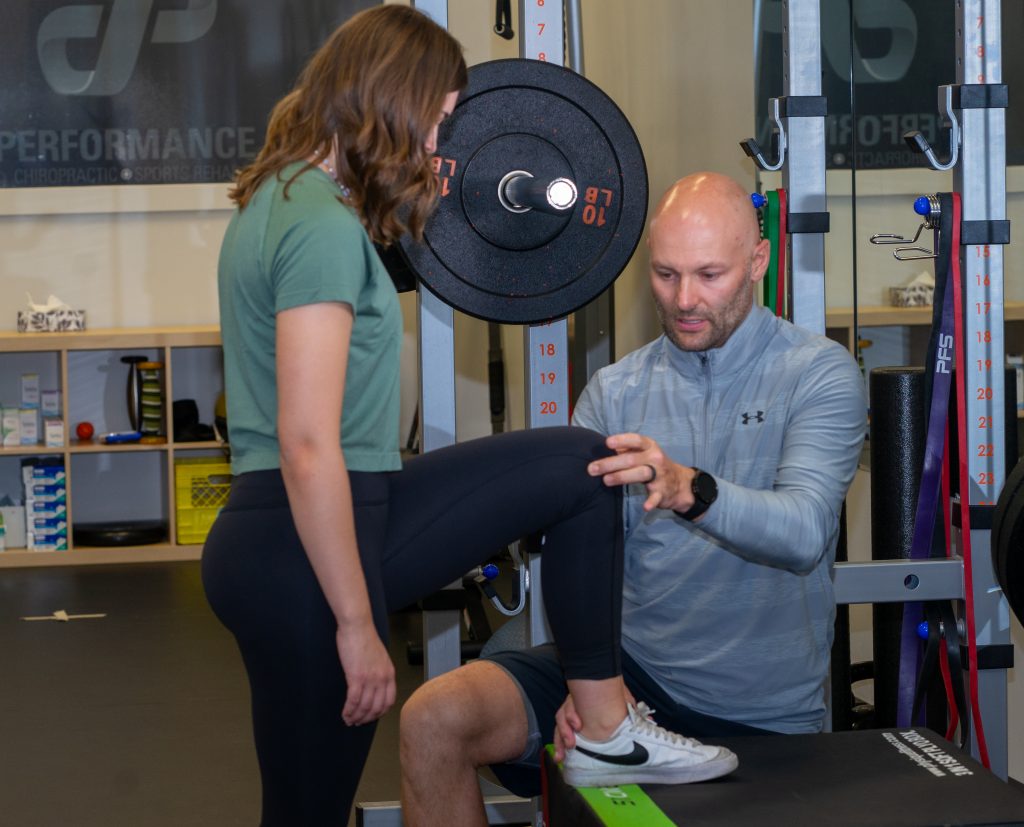
Timelines vary based on the type and severity of injury, tissue involved, and training demands, but many wakeboarding-related issues improve over weeks with consistent treatment, while more complex injuries may require a longer, phased return to full riding.
Most wakeboarding injuries can be assessed clinically without immediate imaging, and X-rays or MRI are typically only considered if symptoms, mechanism of injury, or lack of progress suggest a more serious structural issue.
In many cases modified training is encouraged, focusing on pain-free ranges and cross-training, with clear guidelines on what to avoid so healing tissues are protected while overall fitness is maintained.
Athletes often ask about cost, visit frequency, and whether this service suits acute crashes or long-standing pain; care is tailored after the initial assessment, sessions are adjusted as recovery progresses, and treatment can support both recent injuries and chronic wakeboarding-related issues for riders in the Edmonton area seeking performance-oriented rehabilitation.