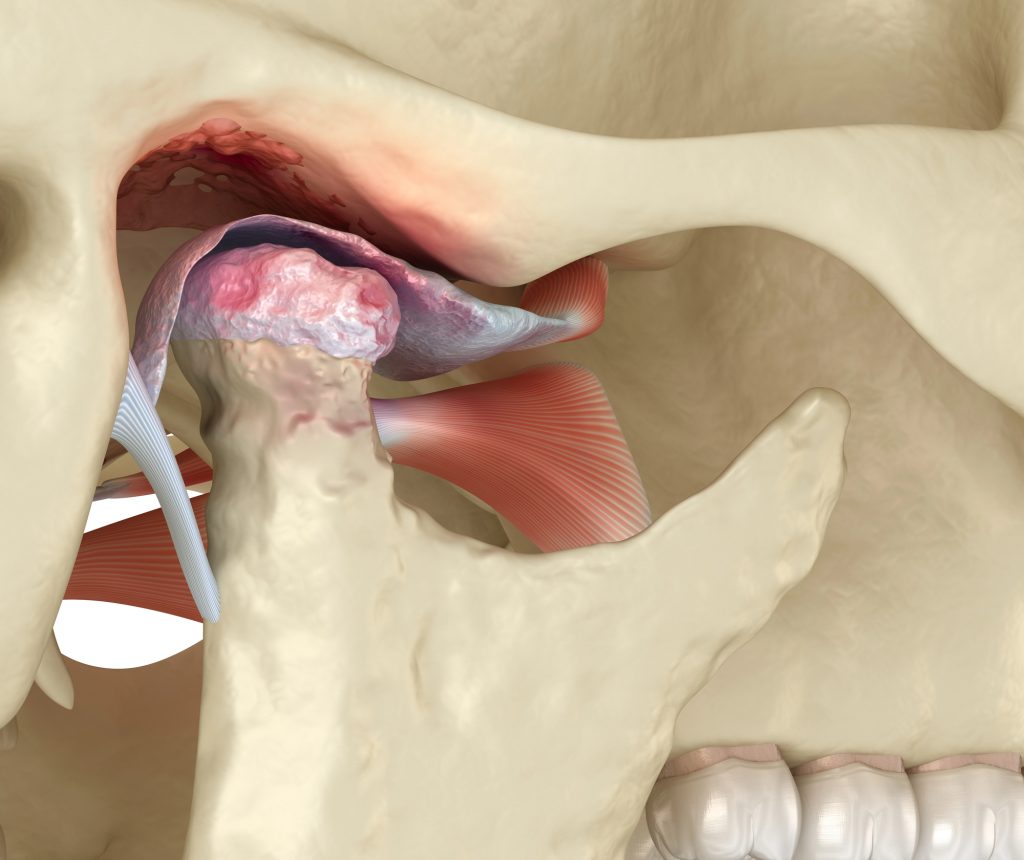
The temporomandibular joint, or TMJ, connects your lower jaw to your skull and allows your mouth to open, close, and move while speaking and chewing.
When the joint or surrounding muscles become irritated, stiff, or overloaded, everyday jaw movement can become painful or difficult.
TMJ disorders can develop for several reasons, including muscle tension, joint irritation, poor movement patterns, or strain affecting the jaw and nearby structures.
Physiotherapy focuses on identifying these contributing factors and improving how the jaw moves and functions.
Common contributors can include:
Clenching or grinding your teeth
Muscle tightness
Joint irritation
Previous trauma
Arthritis
Repetitive or excessive jaw movement
Common Signs of TMJ Dysfunction
Pain or tenderness around the jaw
Clicking or popping when opening or closing the mouth
Difficulty opening the mouth fully
Jaw stiffness or locking
Pain while chewing
Facial pain or aching
Headaches
Ear-area discomfort without an ear-related cause
Tightness through the jaw, neck, or face
Changes in how the jaw moves when opening
Difficulty finding a comfortable resting position for the jaw
How Physiotherapy Supports TMJ Recovery
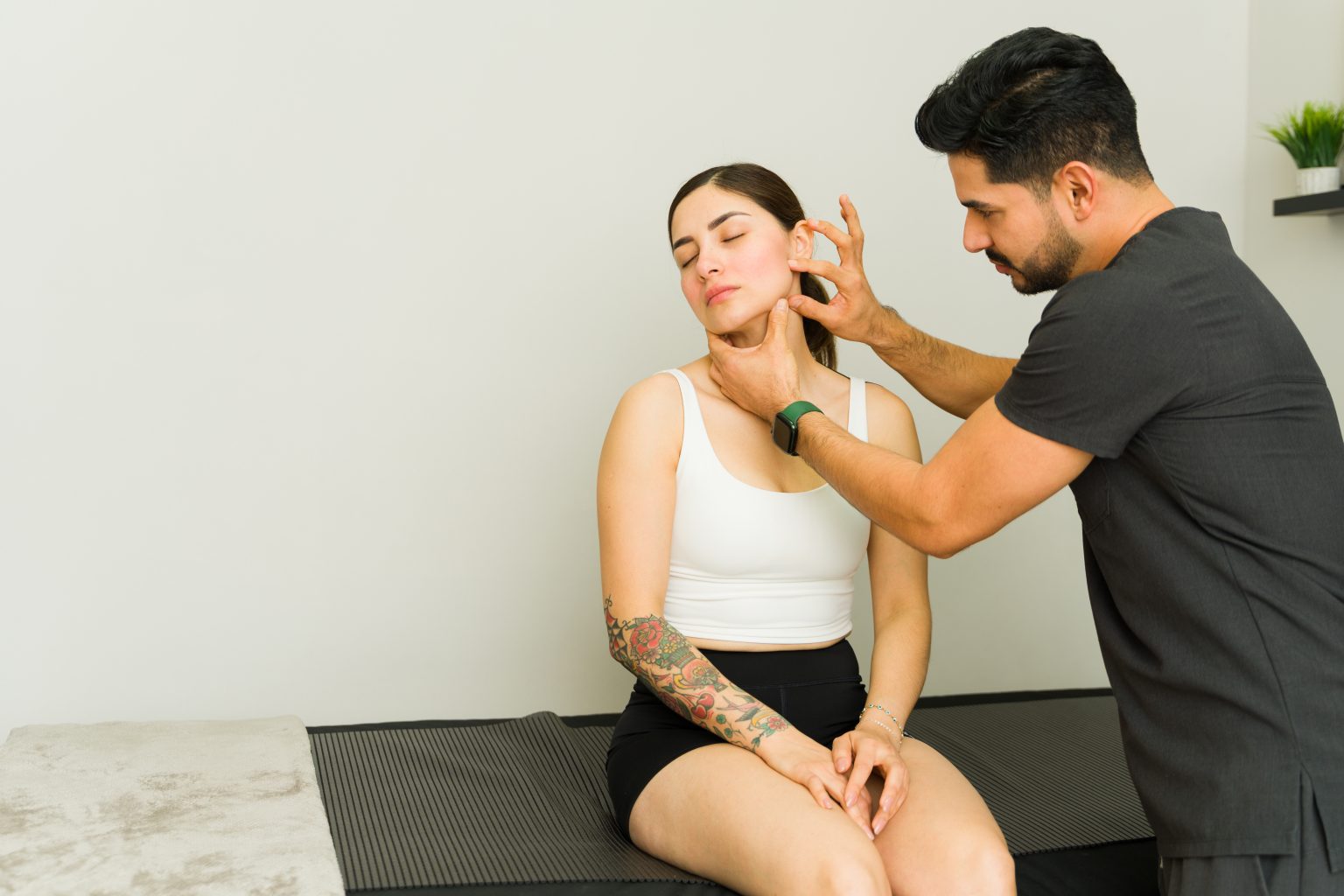
Our physiotherapists assess jaw mobility, muscle function, posture, and nearby areas that could be contributing to your TMJ symptoms.
Your treatment plan is then tailored to improve movement, reduce tension, and help you return to everyday activities with less discomfort.
Your physiotherapy plan may include:
Exercises to improve jaw mobility and control
Strengthening for the jaw and supporting muscles
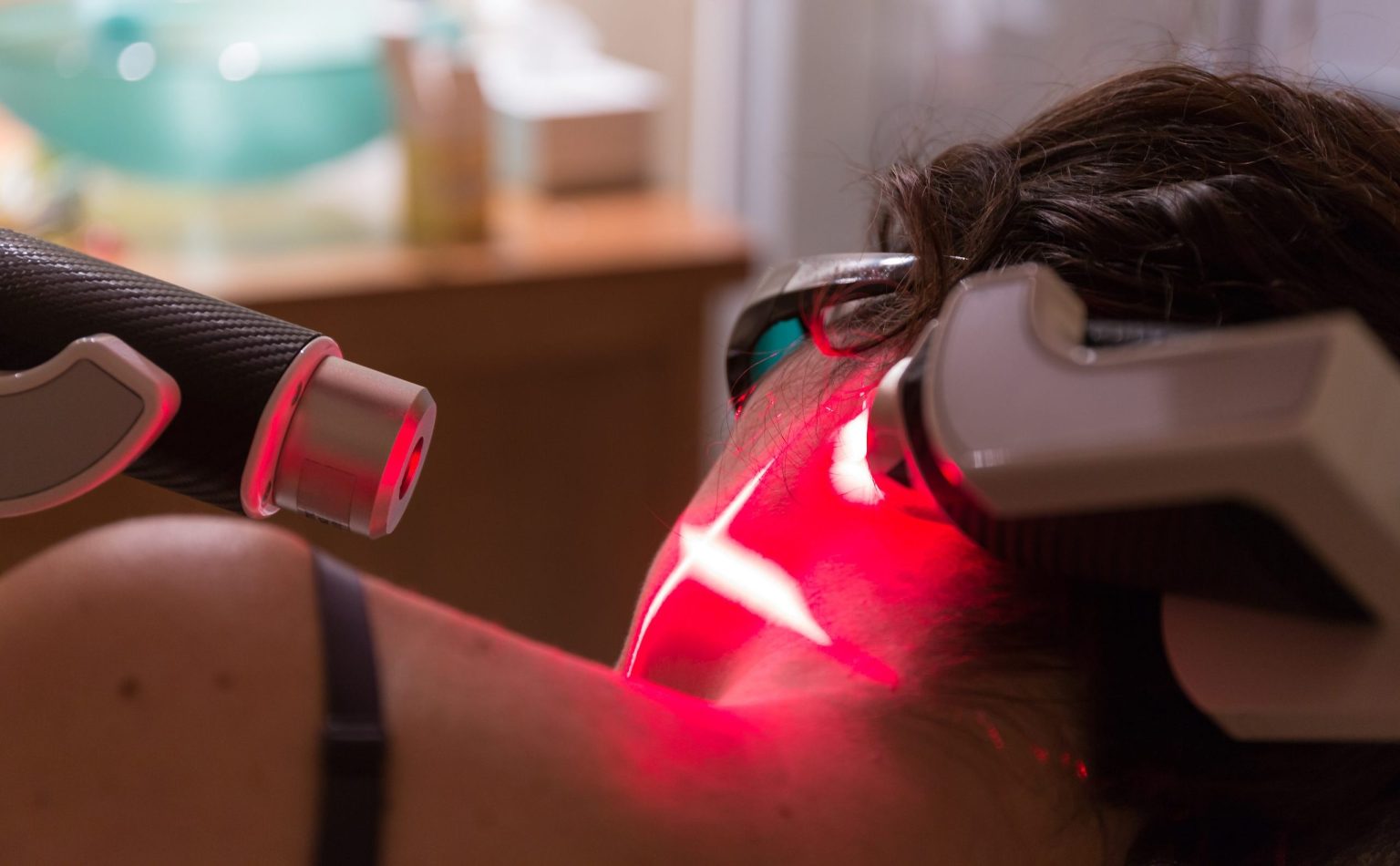
Manual therapy to reduce muscle and joint stiffness
Postural exercises for the neck and upper body
Soft tissue techniques for tight jaw, neck, and facial muscles
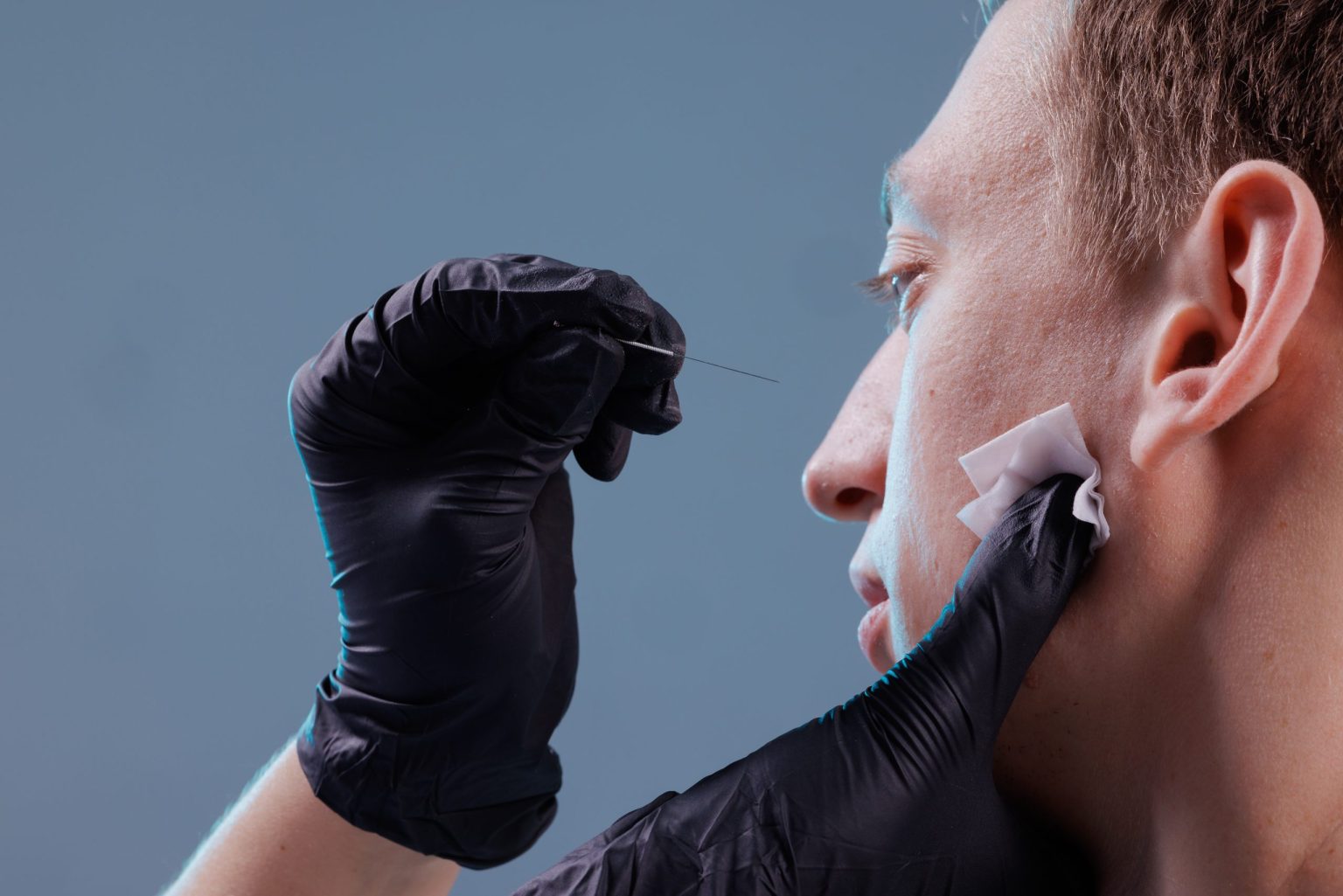
Dry needling or acupuncture when appropriate
Education about jaw positioning and daily habits
Strategies to reduce strain during chewing and other activities
Let's Get started
TMJ discomfort can make everyday activities like eating, speaking, and yawning more difficult than they should be.
Our physiotherapy team can assess your jaw movement, identify contributing factors, and develop a treatment plan designed around your needs.
Contact Performance Chiropractic + Physiotherapy to learn more about TMJ physiotherapy in Edmonton or schedule an assessment.