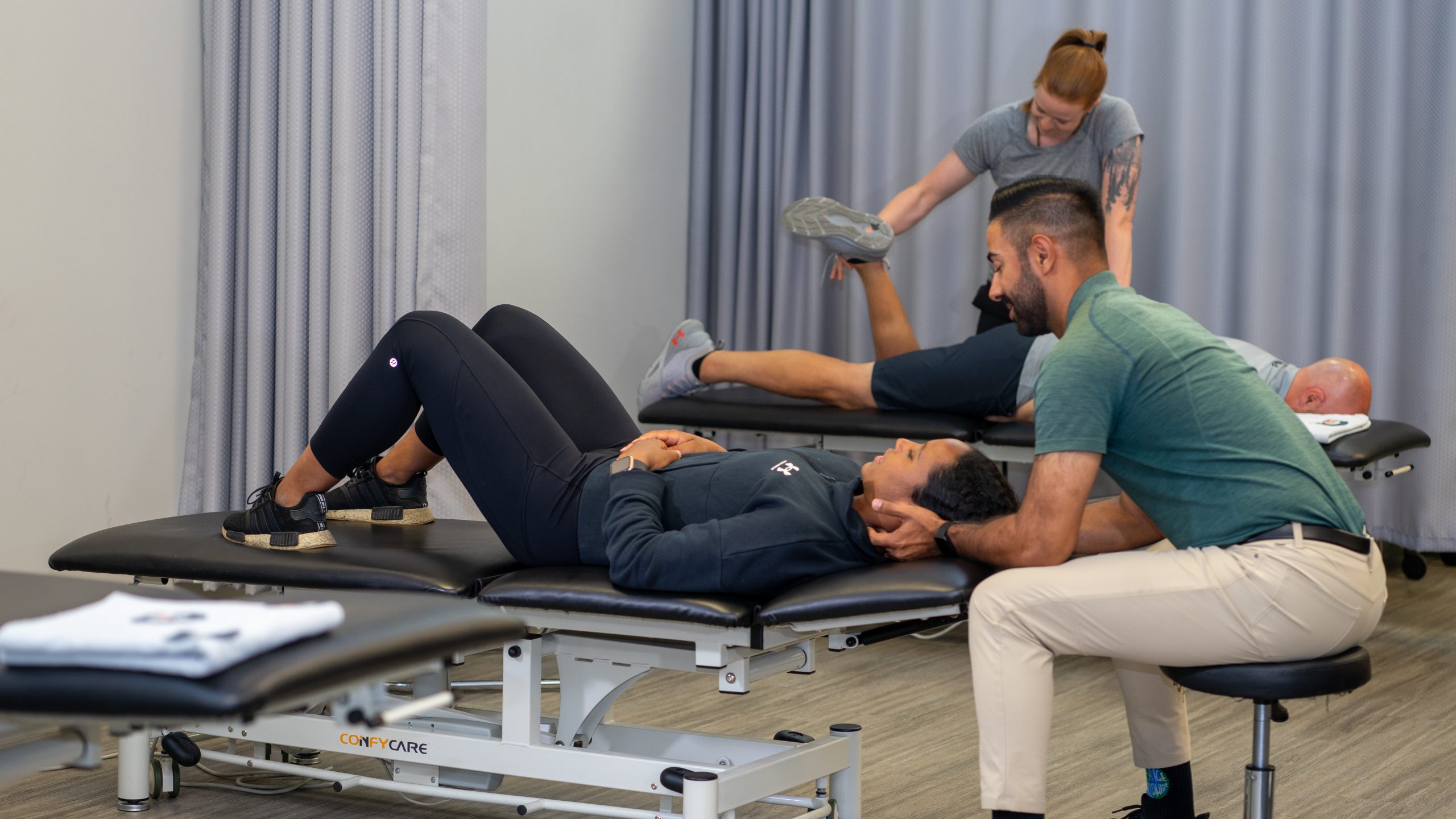
A recurring tight spot can be frustrating when it keeps showing up during training, work, lifting, running, or ordinary daily movement.
Many people ask about active release therapy in Edmonton because they want to know whether a hands-on soft tissue approach may fit their concern before they book an appointment.
Active release therapy is commonly discussed as a manual technique focused on soft tissue, movement, and areas that feel restricted or irritated.
The name matters less than the assessment behind it.
A useful visit should connect your symptoms, movement patterns, health history, and goals before any treatment approach is considered.
Start With the Pattern, Not the Technique
It is easy to arrive with a treatment in mind. A better starting point is the pattern you have noticed.
Does the issue appear during a specific exercise? Does it build through the workday? Does it improve with rest, then return when you increase activity again?
Those details help shape the conversation.
They can also help us decide whether your concern should be discussed in relation to active release technique, chiropractic care, a chiropractic adjustment, activity changes, or another appropriate next step.
At our clinic, we want the plan to match the reason you came in.
Someone trying to keep training comfortably may need a different conversation than someone dealing with stiffness after long periods of sitting.
The goal is not to force every concern into one method. It is to understand what is affecting the movement you care about.
Details That Help During Your First Visit
A good first visit should give you room to explain what has changed and what you want to be able to do. Clear information helps us assess fit and set realistic expectations.
Before your appointment, it can help to note:
- Where you feel the issue and when it started
- Which movements, positions, or activities make it better or worse
- Any previous injuries, treatment, imaging, or relevant health history
- Your current activity level and short-term goals
- Whether hands-on pressure or stretching has bothered you before
These points do not guarantee a specific recommendation. They simply make the discussion more useful.
They also help us explain why one approach may be worth considering, why another may not be the right fit, or why more information is needed.
How It May Fit With Chiropractic Care
People sometimes compare active release therapy and chiropractic adjustments as though they are interchangeable. They are different categories of care.
Active release technique is generally talked about in relation to soft tissue and movement.
A chiropractic adjustment is associated with joint-focused care within chiropractic practice.
For some concerns, both soft tissue and joint movement may be part of the discussion. For others, one area may be more relevant.
The right direction depends on assessment, comfort, and the reason you are seeking care.
If your concern is connected to training, sport, or repeated movement demands, our sports chiropractor page may also be helpful info.
It gives more context for how active people often think about movement goals, recovery planning, and performance-related concerns.
Planning Around Life in Edmonton
People in Edmonton often plan appointments around work, school, family schedules, gym routines, recreational sport, and seasonal activity changes.
That matters because care only works well when the plan is realistic enough to follow.
If you are preparing for an event, returning to activity, or trying to stay consistent with exercise, mention your timing early.
Ask what a reasonable starting point may look like, how progress would be reviewed, and what you should avoid or modify between visits.
Questions about fees, coverage, and visit frequency are also reasonable before you commit.
These details can vary by appointment type and individual needs, so it is best to confirm them directly rather than assume.
A clear plan should help you understand the next step, not leave you guessing.
Signs of a Productive Conversation
You do not need to know clinical terminology to have a useful appointment.
You should be able to describe what you feel, ask questions, and understand why a recommendation is being made.
A productive conversation usually includes assessment, explanation, and a chance to discuss your comfort level.
If a technique does not seem appropriate after review, the plan should be adjusted.
That may mean modifying the approach, discussing chiropractic care differently, or considering another direction.
It is also fair to ask what you should notice after the visit.
Some people want to know whether they can train the same day. Others want guidance on stretching, work posture, or activity pacing.
Advice should be specific to your situation rather than generic.
Frequently Asked Questions
Is active release therapy the same as massage?
No. Active release therapy is usually described as a specific hands-on soft tissue technique, while massage is a broader category. Which option makes sense depends on your concern, goals, and assessment.
Can I ask about active release therapy if I am also interested in chiropractic care?
Yes. Many people want to understand how soft tissue care and chiropractic care differ. We can discuss your concern and explain whether either approach may be appropriate to consider.
Will I need more than one visit?
That depends on the concern, how long it has been present, your activity demands, and how you respond. We can discuss a reasonable starting point after learning more about your situation.
How should I prepare for the appointment?
Bring details about your symptoms, activity routine, previous care, and goals. Wear clothing that allows comfortable movement so you can describe or demonstrate the positions that matter.
Ask Us About Your Next Step
Active release therapy in Edmonton may be worth discussing when a soft tissue or movement-related concern is affecting how you work, train, or move day to day.
If you would like help deciding where to start, contact us with the area of concern, when it began, what activities affect it, any previous care, and your ideal timing.
We can help you plan the right conversation for your visit.